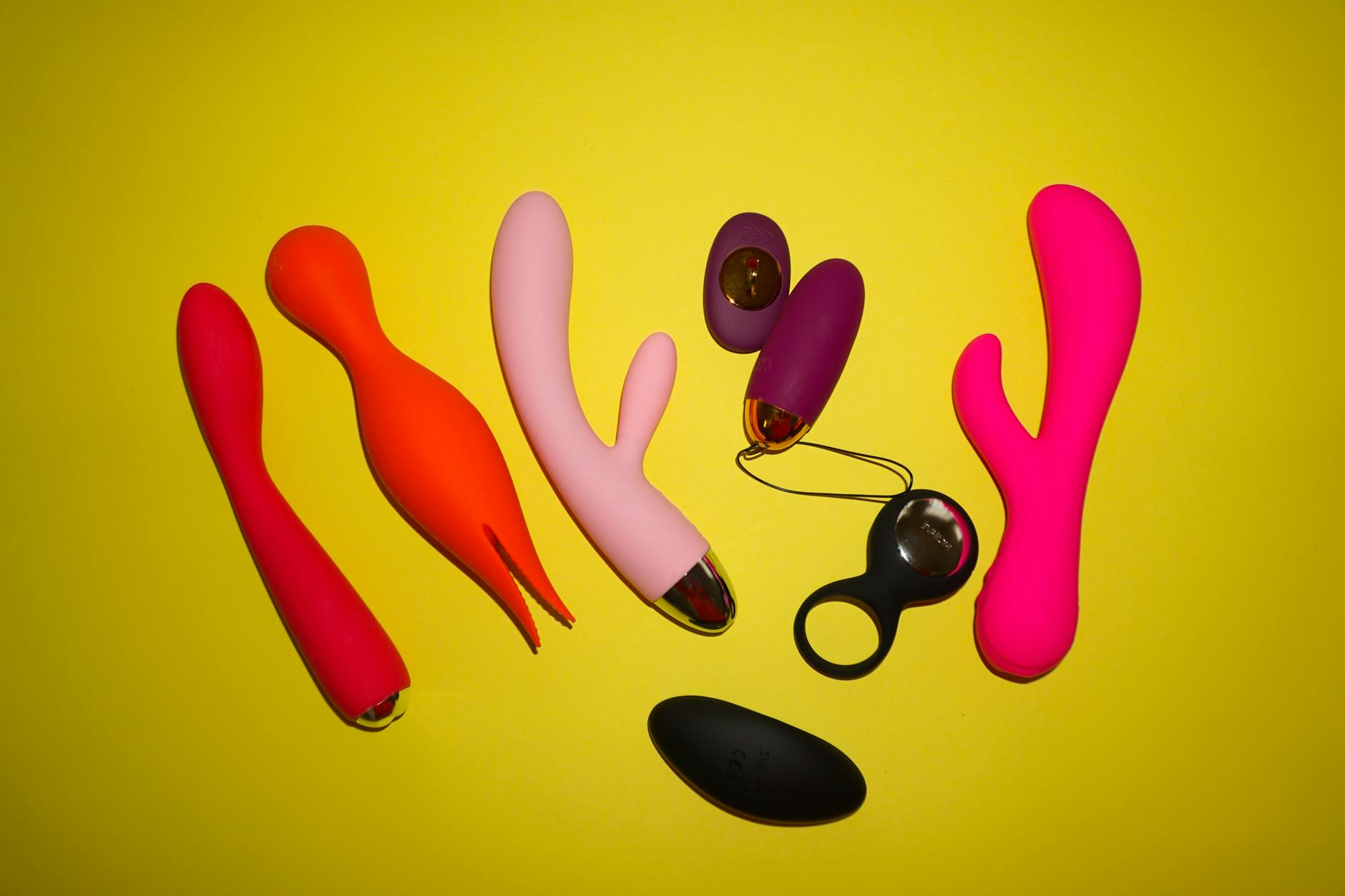
How Lemon Vibrators Help With Sensation Changes During Perimenopause
The decade before menopause hits different. Your body is rewiring itself in real time, and your usual rhythm stops working. Here's what's actually happening and why lemon clitoral vibrators are built for this exact phase.
Perimenopause is not menopause with a countdown timer. It's your body running a software update while you're still using the computer. Your hormones aren't declining smoothly. They're fluctuating wildly, sometimes hour to hour, and that chaos directly changes how pleasure works.
Unlike full menopause, where sensation tends to gradually diminish and stabilize, perimenopause creates unpredictability. One week you're hypersensitive. The next week nothing lands. You might orgasm faster than you have in years, then spend two weeks struggling to feel anything at all. This isn't something that resolves once you "reach" menopause. It's a 5-15 year process, and sensation changes are part of the journey.
Lemon clitoral vibrators, specifically the kind that use suction and pulsation rather than traditional vibration, handle this shifting landscape better than most tools because they work with your nervous system rather than against it.
Estrogen and progesterone don't decline. They spike and crash randomly. One day your estrogen peaks like you're 25 again. Three days later it bottoms out. This hormonal whiplash affects blood flow to genital tissue, clitoral sensitivity, natural lubrication, and how quickly your nervous system can build arousal.
But here's what makes perimenopause different from just getting older. The variability is the biggest factor. Your baseline isn't shifting down gradually. It's swinging up and down while you're trying to figure out what feels good.
Some weeks your clitoris feels almost too sensitive to touch directly. Other weeks you need serious pressure to feel anything. Some cycles your arousal builds in five minutes. Other months you need 30. This isn't a sign something's wrong. It's your endocrine system literally recalibrating itself.
The nervous system also gets caught in this cycle. Stress, sleep, and diet amplify the swings. Add that to the emotional load of perimenopause, and pleasure often just feels complicated in a way it wasn't before.
Traditional vibrators apply consistent mechanical stimulation. That works when your sensitivity is stable. During perimenopause, when sensitivity swings, that consistency becomes a problem. Direct vibration can feel perfect one day and overwhelming the next.
Suction-based lemon vibrators work differently. They stimulate nerves through negative pressure and gentle pulsation rather than direct contact. This creates more flexibility. You can start at a lower intensity on a week when you're hypersensitive, then move up on a week when sensation feels muted. The intensity feels graduated and gentler overall.
The clitoral suction approach also recruits more nerve endings over a larger area rather than concentrating stimulus in one spot. When hormones are fluctuating and your nervous system is irritable, distributed stimulation feels less jarring than pointed pressure.
I've noticed that people using lemon adult toys during perimenopause often report fewer weeks of "nothing works" because suction gives them more range. You're not locked into one intensity. You can meet your body where it is that day.
Even though you're still making estrogen (just inconsistently), lubrication can get spotty during perimenopause. Some weeks you're naturally slick. Other weeks you're drier than you expect. This changes what kind of stimulation feels comfortable.
That's why having a good water-based lubricant becomes a ritual, not a sign of a problem. On weeks when you're naturally lubricated, you might skip it. On weeks when you're not, a little goes a long way. Lemon vibrators with their suction action benefit hugely from a little extra slip, and the combination feels more pleasurable than either alone.
Silicone lubricant is technically richer, but it can degrade silicone toys. Stick with water-based. It works faster, cleans up easier, and doesn't create that slick buildup some people find uncomfortable.
During perimenopause, arousal might take longer to build on some days and faster on others. Some of this is hormonal. Some of it is your brain catching up to what your body is doing.
The fix is simple: budget more time. If foreplay used to be ten minutes, give yourself 20 during this phase. Your nervous system isn't broken. It's just processing information more slowly when progesterone is low or spiked. Extending your warm-up window takes the pressure off and actually makes orgasms easier to reach, not harder.
This is also where a lemon clitoral vibrator shines. You can start at lower intensities for longer, gradually building to patterns that work for you that day. It's not all-or-nothing stimulation. You have granular control.
Even before full menopause, perimenopause affects pelvic floor tension. Declining estrogen changes how much support your pelvic floor muscles have, and your brain often compensates by tensing them more. This creates a strange loop where the muscles tighten defensively, which reduces sensation, which makes you clench harder.
Breaking this pattern helps sensation and orgasm quality. Kegels are the obvious move, but the opposite is equally important: pelvic floor relaxation. Before using a lemon sucker or any vibrator, spend two minutes genuinely relaxing your pelvic floor. Breathe into your belly. Imagine your pelvic floor softening. This small switch makes stimulation feel better and orgasms come easier.
Some people find this so helpful that they do a 30-second reset even during a session if they notice themselves gripping. That one reset can flip sensation from "meh" to "oh." It costs nothing and works.
One counterintuitive move during perimenopause is going shorter, not longer. If you're spending 30 minutes with a lemon vibrator and not getting anywhere, try 10 minutes. Stop while you still feel something. Come back tomorrow.
This works because your nervous system isn't as efficient at tolerating sustained stimulation during hormonal flux. Your clitoral nerve endings also fatigue faster when estrogen is low. Shorter sessions keep sensation fresh and actually make orgasms easier to reach because you're not battling nerve fatigue.
I also recommend varying your routine. If you use the same patterns every time, your nervous system adapts faster during perimenopause. Mix high and low intensities. Try different patterns. Change the angle. Small variations reset your sensitivity and keep pleasure responsive.
If you're sharing pleasure with someone during perimenopause, the logistics change. Your partner might not understand why something that worked last month doesn't work now. They might feel rejected if you need more time or different pressure. This is where clarity matters.
Instead of "I don't know what's going on," try "My body is shifting right now and I need to figure out what feels good. Can you meet me here?" That shifts the frame from "something's wrong" to "let's explore together." How to Introduce Lemon Clitoral Vibrators to Your Partner Without Awkwardness walks through this conversation in detail.
Using lemon sexual toys together also takes pressure off your partner. They're not responsible for creating sensation. You're both focusing on what feels good right now. It often strengthens connection because you're literally on the same team figuring something out.
Most perimenopause sensation shifts are just hormones being hormones. But if pain appears during sex, that's worth mentioning to your GP. Genitourinary syndrome can show up earlier than full menopause, and it's highly treatable with topical estrogen creams.
If desire completely tanks and doesn't bounce back within a few months, that might be worth discussing too. Perimenopause can trigger depression or anxiety, which tank libido independently of hormones. A good clinician can help you figure out which is which and what actually helps.
Lemon clitoral vibrators use suction and gentle pulsation, which recruits nerves across a wider area. That distributed stimulus is gentler on an easily overwhelmed nervous system and gives you more intensity control. Wands deliver direct vibration to one spot, which can feel great or overwhelming depending on your hormone cycle that week.
Absolutely. The principles stay the same. Suction-based stimulation works well through menopause and beyond because it adapts to whatever your baseline sensitivity is. You're not locked into one intensity.
There's no rule. Some people use them a few times a week. Others use them daily. Pay attention to how your body responds. If sensation feels better after a day or two off, take that break. If you feel more connected to pleasure with regular use, go for it. Perimenopause is the time to listen to your own signals.
Yes. Even if you're naturally lubricated, a little extra water-based lube with a suction vibrator makes stimulation glide smoother and sensation richer. It's not about correction. It's about enhancement.
Completely normal. Progesterone swings affect how quickly your nervous system can build arousal. Budget more time and think of it as part of your new normal, not a problem to fix. How to Use Lemon Vibrators for Quickies When Time Is Tight offers workarounds if time is genuinely limited.
Yes, often more intensely. The emotional load of partnered sex plus hormonal shifts can make arousal unpredictable. That's why talking about what's happening helps. Using lemon adult toys together can actually ease this tension because it removes the pressure for one person to "produce" sensation and lets you both focus on what actually feels good that day.
Perimenopause isn't a dress rehearsal for menopause. It's its own distinct phase with its own challenges and its own potential. Your sensation is shifting, yes. But shift isn't the same as decline. Some people report the most intense orgasms of their lives during perimenopause because they finally stopped performing and started paying attention to what actually feels good.
Lemon vibrators work during this phase because they meet you where you are instead of asking your body to adapt to them. Whether you're hypersensitive or numb, you can dial in what works. That flexibility is exactly what perimenopause needs.
If sensation feels confusing right now, you're not broken. Your body is in transition. Give it tools that work with that transition instead of against it. And if you're navigating this with a partner, How Lemon Vibrators Help When Your Partner Has Sensitivity Issues has language that helps both of you understand what's actually happening.
Your pleasure matters during this shift. Not after it settles. Not once you're "officially" menopausal. Right now. That's where lemon clitoral vibrators come in.