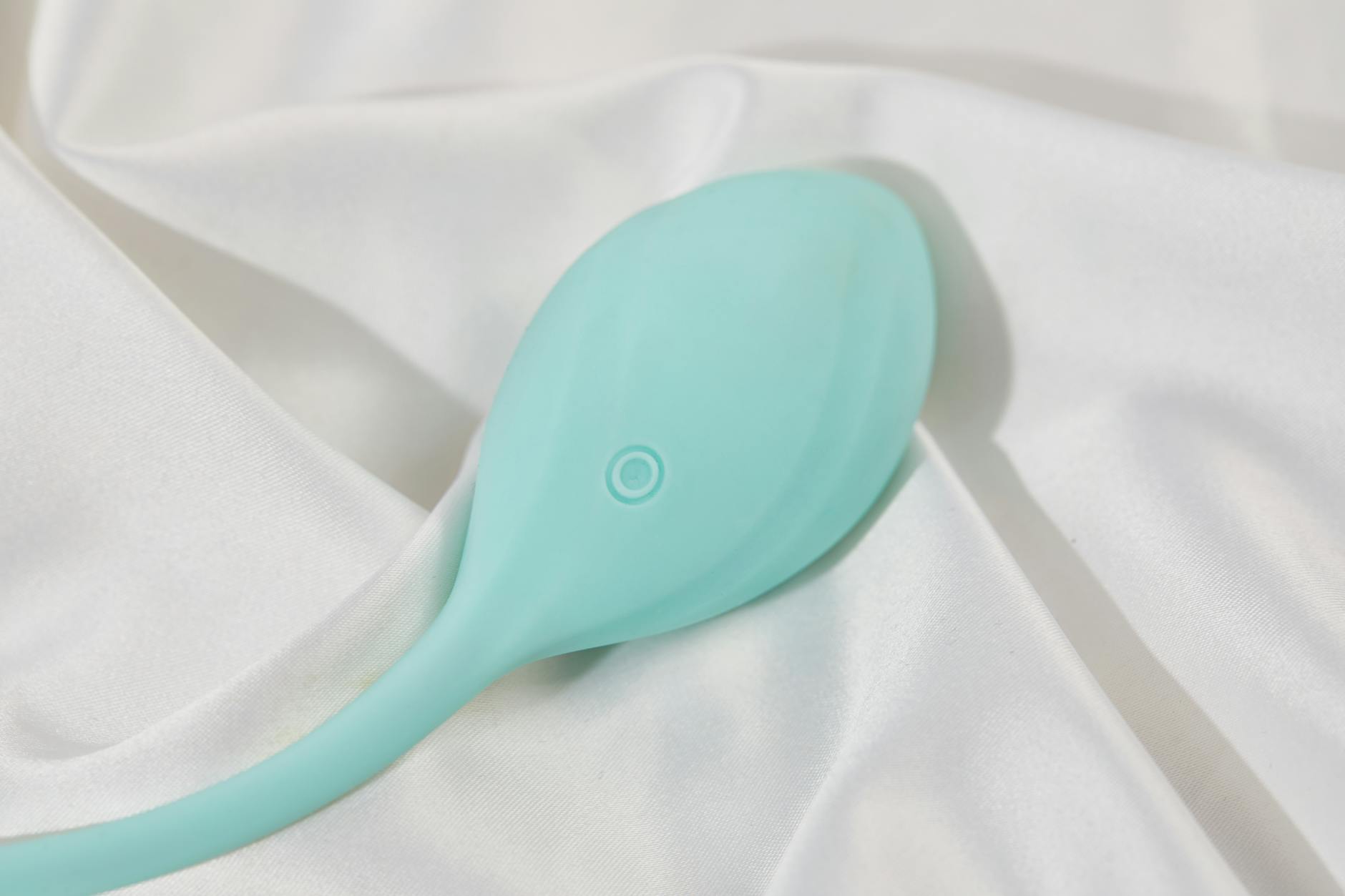
Suction stimulation bypasses the friction problem. Here's what changes in your body, why lemon clitoral vibrators are designed better for post-menopausal pleasure, and how to use one.
Let's be real. Your tissue gets thinner. Estrogen drops by up to 90 percent after menopause, and that reshapes the skin of your vulva and vagina. The skin becomes less elastic, more fragile, and way less forgiving of the kind of direct mechanical stimulation that worked fine at thirty-five.
Direct vibrators. Wand vibrators. Anything that relies on aggressive friction against thinning tissue can feel uncomfortable or even painful. Which is exactly why so many people assume menopause means goodbye to pleasure.
It doesn't. It just means your tools need to match your anatomy.
Lemon sucker technology (more formally called air-pulse or suction stimulation) works differently than traditional vibrators. Instead of moving back and forth directly against your clitoris, a lemon clitoral vibrator creates gentle pulses of suction and release around the clitoral bulb. Think of it like a soft mouth rather than a jackhammer.
This matters enormously post-menopause. You get intense sensation and full orgasms without the friction that can irritate thinner tissue. You're stimulating the same nerve endings (your clitoris has 8,000 of them, and menopause doesn't change that), just through a gentler mechanism.
The suction also tends to feel more concentrated and focused than vibration. Many people report that lemon adult toys deliver stronger, more localized pleasure. Which actually feels better to most post-menopausal bodies, not worse.
Your clitoris is bigger than you think. What you can see is just the glans. The clitoral bulb (a network of nerve-packed tissue) extends into your body. Traditional vibrators typically stimulate the external part, which is fine when tissue is resilient.
But once estrogen drops and tissue thins, that external area becomes more sensitive to pressure. A lemon vibrator's suction pattern stimulates a wider area and works on the bulb more than the surface. Less concentrated pressure, more distributed sensation.
It's also why a lot of post-menopausal people need longer warm-up time with traditional toys but not with air-pulse devices. The suction pattern itself draws blood to the area, which is doing part of the arousal work for you. Your body has less to do to get there.
If you've never used a suction-based toy, the sensation is genuinely different. Start slow. Most lemon sexual toys have five to ten intensity levels. Begin at one or two and sit with it for a minute. The sensation builds in a way that's almost meditative compared to vibration.
Wet your toys or yourself first. Water or silicone-based lubricant helps the seal work better. Direct the opening over your clitoris, not inside you. With some toys you need a complete seal; with others like the lemon vibrator from Hello Nancy, a loose seal still delivers sensation.
Many people discover that the rhythm of the pulses is what gets them there, not the intensity level. Experiment with staying at level three or four and letting your body adjust, rather than cranking up to maximum.
Timing matters too. Because your arousal is a bit slower to build post-menopause, think of a lemon clitoral vibrator as something to use after ten or fifteen minutes of other touch or thought. Don't expect it to do all the work by itself, especially the first time. Your brain is still part of the equation.
Sensitivity goes both ways. Your tissue is more fragile, but it also responds more quickly to the right stimulus. A lemon sucker doesn't drag across delicate skin the way a wand or bullet does. The seal sits in place, and the pulses happen internally. There's no friction, no pressure points, no chafing.
This also means you can use a lemon adult toy for longer without discomfort. Twenty or thirty minutes without any rawness. That's not usually possible with friction-based stimulation on post-menopausal tissue.
If you have genitourinary syndrome of menopause (GSM, which is vaginal dryness and thinning), a lemon vibrator is gentler than almost anything else available. It's one of the few tools that actually works better on fragile tissue than it did on younger, more resilient skin.
Honestly though, the body change is only part of the story. After menopause, a lot of people notice their whole relationship to pleasure shifts. You're less in your own head. You're less performing. You're more able to just feel.
That mental freedom is sometimes what makes post-menopausal sex the best of your life. A lemon clitoral vibrator fits that shift because it's lower-pressure, lower-drama. You're not fighting your body's biology. You're working with it.
If you're partnered, this also means less anxiety about whether things are working right. Your partner isn't trying to judge whether you're actually enjoying it. The suction feels so different and so intentional that it's harder to perform than to just receive.
Water-based lubricant is your friend post-menopause, especially with suction toys. It helps the seal work better and keeps your skin hydrated. But you don't need lube everywhere. Apply it directly around the opening of the toy and on your clitoris.
Silicone-based lubes feel silkier, but they can degrade silicone toys over time. Stick with water-based if your lemon sexual toy is silicone. If it's ABS plastic (like the lemon vibrator from Hello Nancy), both water and silicone-based lubes are fine, though water-based is still easier to clean.
The thing about lube and post-menopausal pleasure is that it doesn't mean anything is wrong with you. You're just using the right tool for your current body. That's not compromise. That's intelligence.
Dilators are helpful for tissue health but they're not toys. They don't create sensation; they stretch and maintain tissue elasticity. That's a different job.
Estrogenic creams and vaginal moisturizers rebuild tissue from the inside. Also not toys. They take weeks to work, but they do genuinely change the landscape.
Traditional vibrators can work post-menopause if you use them on lower intensity and over a longer warm-up period. They're fine. But lemon adult toys feel noticeably better to most people because they're literally designed around the problem that post-menopausal tissue presents. Less friction. More sensation. Gentler delivery.
If you like both sensations, there's no rule against rotating between them. A lemon sucker for some sessions, a wand on low intensity for others. Your pleasure isn't monogamous.
Almost certainly. Suction sensation is genuinely different from vibration. It's gentler and more localized, but it takes your brain a minute to register what's happening. Most people describe the first few sessions as "weird but interesting," not "weird and bad." Give it at least three tries before deciding it's not for you.
Absolutely. Hormone therapy changes the pace of tissue thinning and rebuilding, but it doesn't change the pleasure mechanism of suction toys. Some people find they need less lube if they're on HT. Otherwise, it's the same strategy.
No. The suction mechanism is so gentle that it actually promotes blood flow and tissue health rather than wearing tissue down. In fact, regular use of a lemon sucker can improve vaginal health over time by increasing circulation.
Start at level one or two and sit with it for a full minute before adjusting. Most post-menopausal people find their best place somewhere in the middle range (levels three through six on a ten-level toy). Don't assume you need maximum intensity. Often the opposite is true.
Yes, but get evaluated first. If you have genitourinary syndrome of menopause (GSM), a lemon clitoral vibrator is actually one of the best tools you can use. But if pain is severe or unexplained, see a menopause-trained GP or gynaecologist first. Once you've ruled out treatable conditions, lemon sexual toys are genuinely helpful.
Not necessarily. Suction toys are gentler, so you can start with less arousal than you'd need for a traditional vibrator. That said, ten to fifteen minutes of other touch or thought never hurts. Your pleasure doesn't have to be efficient.
Menopause changes your tissue. It doesn't change your pleasure capacity. A lemon clitoral vibrator is engineered specifically for post-menopausal bodies because suction works better on fragile tissue than friction does. You get stronger sensation, less irritation, and longer sessions without discomfort.
If you've been avoiding pleasure because traditional toys don't feel right anymore, a lemon vibrator might be exactly what you've been looking for. Your body hasn't abandoned you. It just needed the right tool.
Ready to find what works for you? We're here to help. Reach out with any questions about which lemon adult toy might be right for your body and preferences.