Why Lemon Vibrators Feel Different When Rebuilding Trust After Infidelity
Infidelity doesn't just damage trust with your partner. It damages your relationship with your own body. That's the part nobody warns you about.
Relationships
How betrayal rewires your nervous system around pleasure, why a clitoral vibrator feels unsafe even when your partner isn't touching you, and what actually helps.
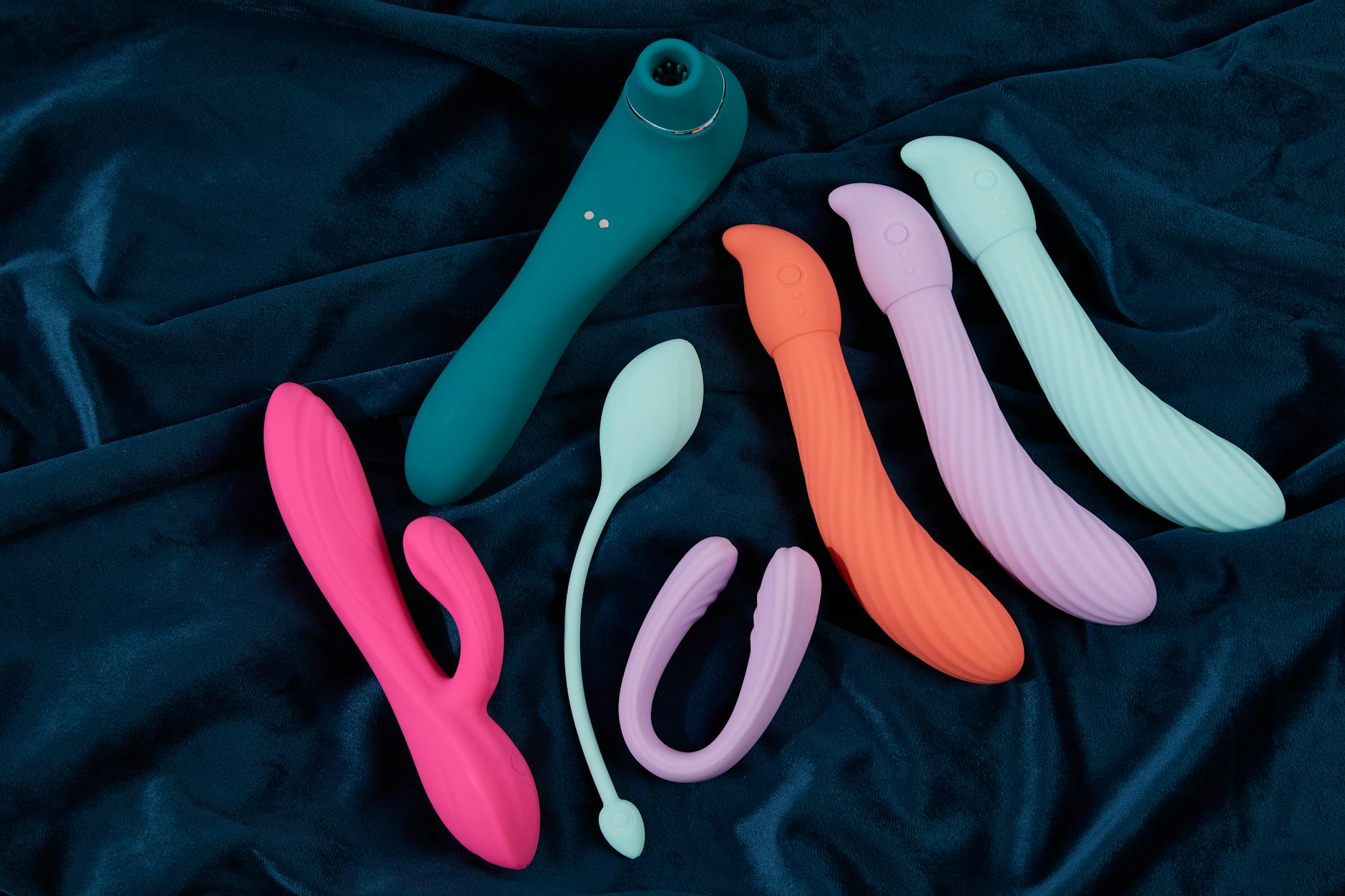
Infidelity doesn't just damage trust with your partner. It damages your relationship with your own body. That's the part nobody warns you about.
When you're rebuilding after betrayal, pleasure becomes a minefield. Your nervous system has learned that intimacy is dangerous. And the moment you try to use a lemon vibrator or any clitoral toy, you run into something unexpected: your body freezes, or it feels numb, or it feels too exposed. Sometimes all three.
I've worked with dozens of people navigating this exact experience, and the patterns are consistent and treatable. Here's what's actually happening, and what helps.
Before we talk about vibrators, we need to talk about what infidelity does to your threat detection system.
Infidelity is a safety violation. Your nervous system doesn't distinguish between "my partner slept with someone else" and "my body is in danger." From a trauma perspective, they're the same thing. Betrayal tells your brain that the person you trusted to keep you safe did the opposite. Your system floods with cortisol. It stays on high alert.
Sexual pleasure requires a shift into parasympathetic activation. That's the "rest and digest" state. Your body has to believe it's safe to let its guard down. After infidelity, your nervous system isn't convinced it's safe to do anything with a partner, let alone with a partner's hands near you, or alone with your own.
The irony is sharp: pleasure becomes evidence of danger.
A lemon vibrator or any clitoral toy is intimate in a particular way. It's small, focused, it requires you to be still and receptive, and it's designed to build sensation quickly. That directness, which normally feels wonderful, can feel terrifying after infidelity.
Here's what typically happens:
Sensation without control. The suction mechanism on a lem vibrator or other lemon clitoral vibrators bypasses the ramp-up phase most people need. It goes straight to the sensitive tissue. After betrayal, that feels invasive, even when you're the one holding it. Your body registers the intensity as a threat, not a pleasure.
Solo vulnerability. Using a vibrator alone should feel like the safest possible scenario. But it doesn't after infidelity. Alone with your own body, in that exposed state, often brings up the exact moment of betrayal. Some clients tell me they freeze mid-sensation because a smell, a sound, or just the physical position triggers the memory.
Trust between you and your body. Betrayal damages more than the partnership. It damages your sense that your own body's signals are reliable. If you trusted your body's read on your partner ("I felt safe with them"), and your body was wrong, then you can't trust your body's signals anymore. That includes sexual signals. A lem vibrator becomes a reminder of a system that failed.
Reclaiming pleasure after infidelity isn't about forcing yourself to feel good. It's about rebuilding safety, first with yourself, then potentially with a partner.
Phase 1: Sensation without pleasure-seeking. The first goal isn't to orgasm. It's to touch yourself without your nervous system going into threat mode. This means slowing down, way down. A vibrator on the lowest setting, barely stimulating, held for short periods. The goal is to prove to your body that this is safe. Five minutes with no expectation. Some days that's enough.
A lemon clitoral vibrator, because of its design, can actually help here if used correctly. Start with the lowest pulse pattern. Hold it for thirty seconds. Stop. Breathe. This isn't sexy. It's nervous system recalibration.
Phase 2: Pleasure without performance. Once your body stops treating the vibrator like a threat, the next step is noticing sensation without needing it to build toward orgasm. This is where shame loves to hide. You might feel pleasure and then immediately feel guilty for feeling it. That guilt is the nervous system saying, "Wait, your partner didn't earn the right to know you can feel good." It's a distorted loyalty reflex, and it's normal.
Lemon sexual toys, because they're external and don't require penetration, can be gentler on the nervous system during this phase. You maintain full control. You can stop instantly. That autonomy matters.
Phase 3: Integration with your actual life. This is when pleasure starts to coexist with the reality that betrayal happened and you're choosing to move forward anyway. This might mean using a vibrator with your partner in the room. It might mean using one before a conversation about rebuilding intimacy. It might mean recognizing that your orgasm is yours, not something that proves loyalty or binds you to anyone.
Three things that change the experience:
Grounding before sensation. Spend two minutes noticing your five senses before you touch yourself. Name five things you see, four you can feel, three you hear, two you smell, one you taste. This sounds silly. It's not. It brings your nervous system into present time instead of the moment of betrayal.
Control and containment. Set a timer. Use the vibrator for eight minutes maximum. The boundary is protective. Your nervous system needs to know this has an ending, and you're the one deciding the ending.
Rewiring the narrative. Every time you use a lemon vibrator and nothing bad happens, you're teaching your body a new story. You might not feel profound pleasure. You might feel nothing much at all. That's okay. The absence of danger is the message you're sending: "I can touch my own body and be safe."
If you're rebuilding the relationship with the person who betrayed you, pleasure becomes a conversation starter, not a finish line.
Many couples make the mistake of trying to rebuild sexual intimacy before they've rebuilt emotional trust. That's backwards. You need to know, before any vibrator or any touch, that your partner understands what they broke and is committed to rebuilding it.
The conversation might sound like: "I want to rebuild pleasure with you, but it's not safe yet. Here's what I need: more time, more transparency, more accountability." A lemon vibrator isn't the answer. Therapy, honesty, and concrete actions are.
If you're not rebuilding the relationship, pleasure is even simpler: it's just for you. Your orgasm doesn't owe anyone anything.
If six weeks of gentle vibrator use still triggers panic, or if you're having intrusive memories during any sexual activity, that's your signal to work with a trauma-informed therapist. Infidelity recovery isn't something you have to do alone, and sometimes the nervous system needs specialized help to reset.
A good therapist can help you distinguish between "I'm still healing" and "I need to end this relationship" and "I'm ready to move forward." Those are three very different situations, and they deserve different plans.
I want to be honest: your relationship with pleasure after infidelity probably won't look exactly like it did before. But it can be deeper. Many people tell me that after doing this work, their pleasure is more intentional, more grounded in their own body, less conditional on someone else's approval.
The lemon vibrator or clitoral vibrator you were too nervous to touch? That becomes a tool for knowing yourself. Not for proving anything to anyone.
That's the real reclamation.
Can I use a vibrator right after finding out about infidelity?
Not productively, no. Your nervous system is in crisis mode. Trying to force pleasure during that window usually backfires and creates new associations between vibrators and shame or fear. Give yourself at least two to three weeks of processing before you touch yourself sexually. Cry, rage, journal, talk to someone. Let your body move through the acute phase first.
Will using a lemon vibrator alone make me feel more disconnected from my partner?
Actually, the opposite often happens. Many couples find that when each partner has independent access to pleasure, the pressure comes off sex as the only way to reconnect. You both get to experience safety in your own bodies first. That makes partnered sex less fraught later. But this only works if you're both committed to rebuilding trust. If your partner is resistant or dismissive about the work, that's a different problem that a vibrator can't solve.
How do I know if infidelity has damaged my sexuality permanently?
It hasn't. Damage isn't permanent, but healing takes time and intention. The fact that you're asking this question suggests you're ready to rebuild. That's the most important part. Some people find that working with a clitoral vibrator in a safe, slow way actually accelerates healing because it proves to your body that pleasure can exist without danger. But that's your timeline, not anyone else's.
Should I tell my partner I'm using a vibrator during recovery?
That depends on the relationship and whether you're rebuilding with this partner or moving on. If you're rebuilding, transparency matters, but so does privacy. "I'm using solo time to reconnect with my body" is honest and doesn't require details. If you're healing from infidelity but the relationship is ending, your sexuality is none of your ex's business.
Can I use a lemon vibrator with a new partner after infidelity?
Yes, but do the solo work first. Let your body learn that pleasure is safe in your own hands before you add someone else's presence. When you do bring a new partner in, communication is everything. Tell them, "I'm healing from betrayal. I might need to slow down or stop." A partner who respects that is worth keeping. One who doesn't is a warning sign.
What if my partner wants to use the vibrator on me, but I'm not ready?
Then you're not ready. No shame. The timeline for rebuilt intimacy is your timeline, not theirs. If they're pushing for sexual progression before you feel safe, that's a second betrayal, and it tells you something about whether they're doing the work to rebuild trust. A good partner will wait. They'll understand why. They'll use that time to show up differently in every other part of the relationship.