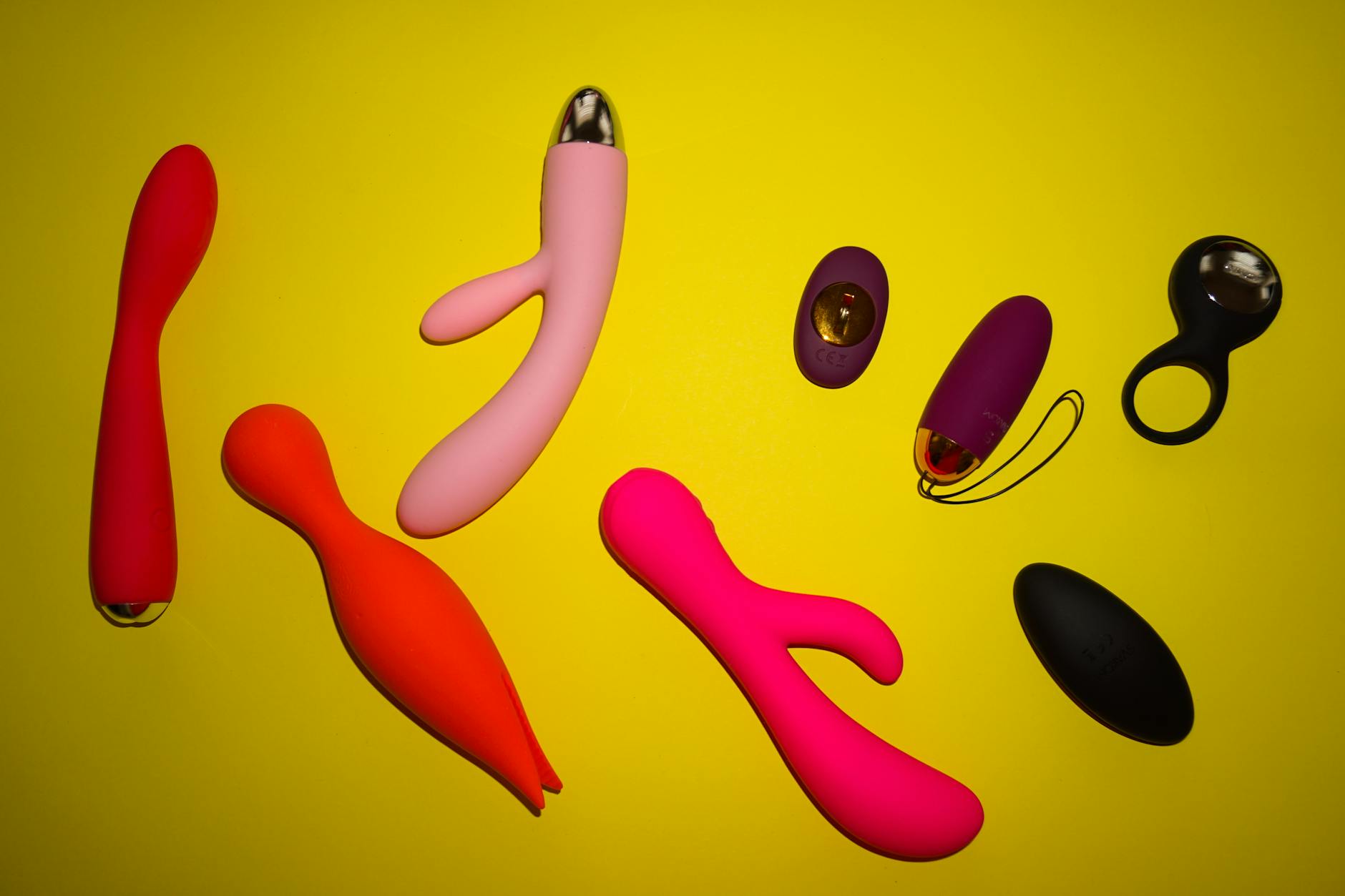
Breakup sex is a myth. Breakup sensation, though, is real. After a long partnership ends, pleasure doesn't work the same way. Your body hasn't forgotten how to respond, but it's grieving. That matters. And it changes how you experience tools like a lemon clitoral vibrator, even if nothing's physically wrong.
I've worked with dozens of people navigating this. Most expect pleasure to stay the same. When it doesn't, they panic. Some blame themselves. Others blame the toy. The truth is quieter: your nervous system is recalibrating what intimacy means.
When you've been coupled, pleasure lived in a context. You were touching and being touched by the same person. Your arousal existed in relationship to their presence, their desire, their body. That context doesn't erase overnight, even when the relationship needs to.
Three neurological things happen:
1. Anticipation grief. In a partnership, arousal builds partly through anticipation of another person. After separation, that anticipatory system has no object. Your body keeps reaching for that dual sensation even when you're alone.
2. Touch starvation. Humans aren't meant to be touch-free. Even in sex, we're feeling another person's warmth, pressure, reaction. A lemon vibrator gives exquisite sensation, but it's one-directional. Your nervous system notices.
3. Identity recalibration. Pleasure inside a partnership feels different because your identity included "person in this relationship." Solo pleasure feels unfamiliar partly because it's asking you to be someone new.
None of this means you're broken. It means you're human.
Many people tell me that intensity settings that felt perfect during a relationship now feel too much or too little. Here's why: your nervous system's baseline has shifted.
During partnership, intensity gets modulated by presence. The presence of another person, by its nature, is grounding. It gives your nervous system permission to go deeper. Solo, you're holding that container yourself. That takes different neurological work.
Some people find they need lower intensities immediately after breakup. The input is too much, too alone. Others find higher settings help because the focused stimulus is grounding in a different way. Neither is wrong. Both are your nervous system telling you what it needs right now.
If you're finding that lemon sexual toys or other clitoral vibrators don't feel right, the answer usually isn't a different tool. It's permission to use the same tool differently. Slower. Longer warm-up. Different positioning. Less goal, more exploration.
Honestly though, here's the biggest shift: you've lost your outside permission.
Inside a relationship, pleasure often felt like something you were doing together. That comes with a strange kind of permission, even when the relationship was difficult. You were responding to desire that wasn't just yours.
Solo pleasure, especially after loss, can feel indulgent in a way partnered sex never did. You're spending time on yourself. You're the only one who benefits. Your brain might be telling you that's selfish, or that you don't deserve it, or that it's sad somehow.
It's none of those things. It's necessary.
The most powerful thing I tell my clients is this: you're not trying to recreate what you had with a partner. You're learning a different kind of intimacy. One that's just with yourself. That's not less than. It's foundational.
Week one: No agenda. Hold your lemon vibrator. Don't use it yet. Let your body remember you have it. This sounds soft, but it's neurological. You're teaching your nervous system that touch tools exist in your life solo.
Week two: Slow exploration. Use the lowest intensity setting. No goal of orgasm. Just 10-15 minutes of sensation. Your nervous system is learning what arousal feels like without another person present.
Week three: Notice what you actually want. Not what you think you should want. Not what felt good in the relationship. What feels good now. Is it faster? Slower? Different positioning? A longer warm-up? Pay attention to what your body's asking for.
Week four onward: Permission. Schedule it like you'd schedule anything important. This isn't about willpower. It's about telling your nervous system that solo pleasure is a legitimate part of your healing.
The lemon vibrator becomes what it's always been: a tool for sensation. But in this context, it's also proof that you can give yourself what you need.
If you're eventually moving toward partnered sex again, something shifts. If your partner is new, they might not understand why you need solo time with toys. That's a conversation worth having, though it's uncomfortable.
The simple version: you're not replacing them. You're learning a language your body speaks when it's alone. That actually makes partnered sex better, not worse. You know what you want. You can ask for it.
If your partner has a hard time with that, check whether you're with someone who respects your autonomy. That's the real question.
Sometimes using a lemon clitoral vibrator after a breakup will bring up sadness. You might orgasm and then cry. That's not failure. That's integration. Your body is mourning and healing simultaneously. Let it.
Orgasm after loss doesn't diminish the loss. It doesn't mean you're over it. It means you're alive, and your nervous system is learning how to be alive differently.
If pleasure has disappeared completely and stays gone after four weeks of gentle exploration, it's worth talking to someone. A therapist, a doctor, both.
Postbreakup depression is real and physical. It can flatten pleasure. That's not a toy problem. It's a neurological one and it's treatable.
But if you're finding that sensation is coming back, even slowly, even with grief mixed in? That's healing. Trust that.
Lemon sexual toys aren't about forgetting your past relationship. They're about building a relationship with your own body that stands alone. That's the work. And it's the most important work.
Completely normal. Your nervous system is processing loss and pleasure at the same time. Sadness doesn't mean something's wrong. It means you're integrating the loss while reclaiming your own sensation. Let yourself feel both.
No. If anything, the opposite. Knowing your own body's responses makes partnered sex easier because you know what you want and can communicate it. A new partner will benefit from you knowing yourself.
There's no standard timeline, but most people find sensation shifting positively within 4-8 weeks of consistent, gentle exploration. Some take longer. Grief has its own pace. Be patient with yourself.
Yes, though many people find it helpful psychologically to reset with fresh lube, new charging, maybe even relocated to a different part of the home. It's not about the toy. It's about your nervous system recognizing this is a new chapter.
Breakup and grief kill desire temporarily. That's biological, not psychological failure. Give yourself 2-4 weeks without any pressure. Then try the gentle exploration path. If desire hasn't returned in 6-8 weeks, check in with a doctor or therapist.
Absolutely not. Solo pleasure and partnership aren't opposites. They're both part of a full intimate life. Taking care of your own sensation is part of healing. It prepares you to be present with someone new.