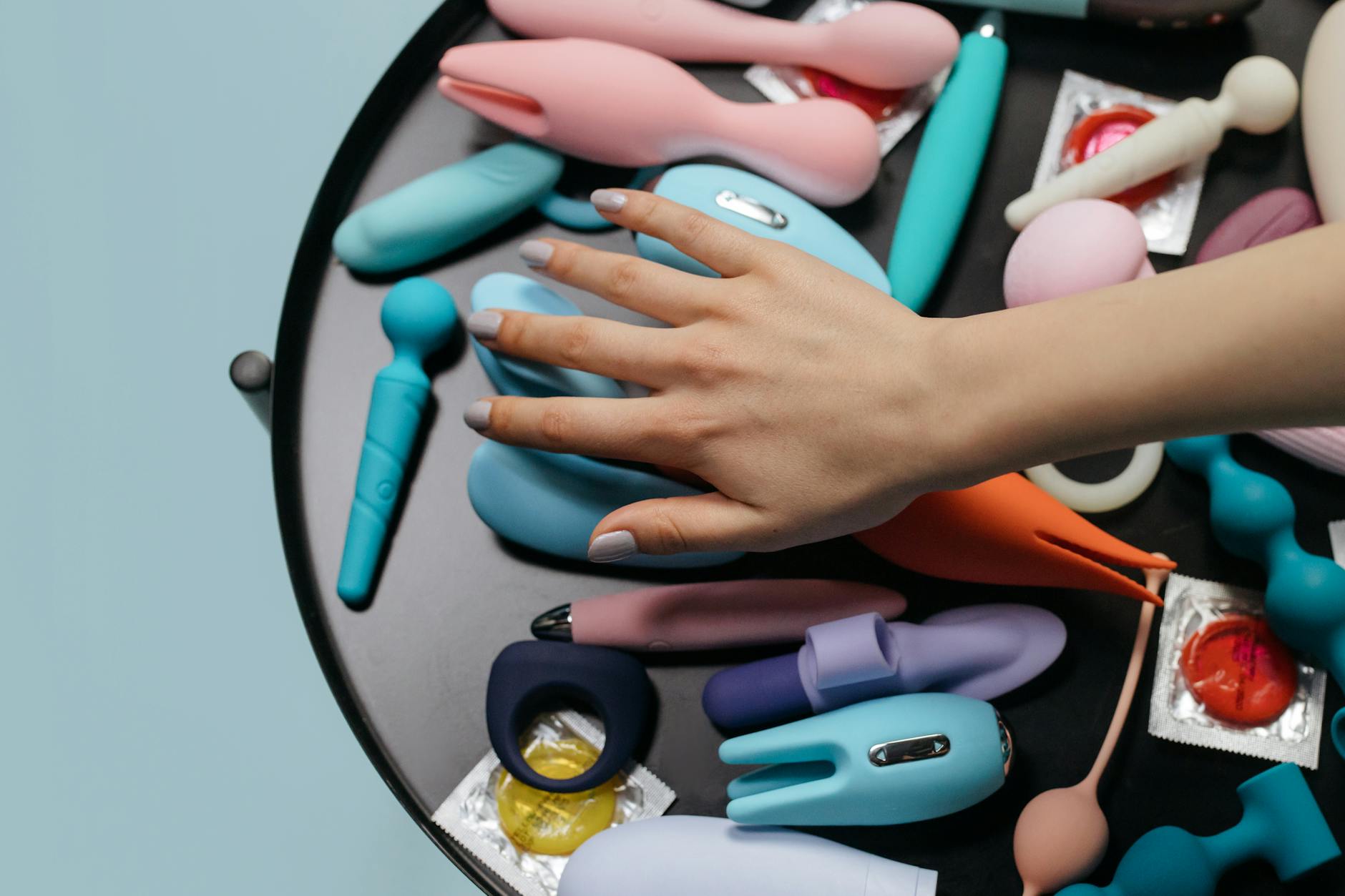
Your antidepressant is working. Your anxiety is lower. Your mood is stable. And you can't feel anything down there. That's not a trade-off you're supposed to accept quietly. It's a real side effect with real solutions, and one of the most effective is understanding how clitoral vibrators, especially suction-based models like the Lem, can work your body instead of against the numbness.
SSRIs (sertraline, paroxetine, fluoxetine) are the most common culprits, but they're not alone. Antihistamines, blood pressure medications, and even some birth control formulations can dull genital sensation. The mechanism isn't one thing. SSRIs can lower dopamine in the genitals, reduce genital blood flow, and increase the threshold for nerve firing. Antihistamines dry out mucous membranes. Blood pressure meds constrict blood vessels. The result is the same: your body needs stronger, more consistent stimulation to register pleasure.
The good news? Your nerve endings haven't died. Your brain's pleasure circuitry is still intact. You're not broken. You're just working with a higher threshold, and that threshold can be bridged.
A standard bullet or wand might have worked before medication. Now it feels like buzzing through a wet blanket. That's not a failure of the toy or your body. It's a mismatch. Vibration alone, especially at lower frequencies, doesn't always penetrate the desensitization that medications create.
Here's where air-suction technology changes the game. The Lem and similar clitoral vibrators work via gentle, rhythmic suction rather than pure vibration. This stimulates deeper nerve clusters and creates a different sensory pathway altogether. For people on medications that have flattened surface sensation, suction-based stimulation often feels like the first real sensation they've had in months.
The Lem operates at a different frequency than traditional vibrators. It uses gentle suction and pulsing patterns that mimic what happens during oral sex, triggering nerve pathways that don't depend on high-frequency vibration alone. For someone whose sensation has been chemically dampened, this is often more effective because it's hitting your nervous system from a different angle.
The intensity range also matters. You can start at the lowest setting and build gradually, which is crucial when you're retraining your body to feel pleasure. Low pressure, consistent rhythm, and time. Those three things together can rewaken sensation that felt permanently gone.
Don't expect instant results. When you've been numb for six months or two years, your brain has recalibrated what "sensation" means. Using a clitoral vibrator regularly (3-4 times per week is a good starting point) can retrain your nervous system over four to eight weeks. I've worked with clients who felt the shift in week two and others who needed twelve weeks. Both timelines are normal.
Consistency matters more than intensity. A fifteen-minute session at low pressure beats sporadic high-intensity marathons every time. Your nervous system responds to predictable stimulation with gradual adaptation and increased sensitivity.
Before you assume you're stuck, talk to your prescriber. Sometimes switching SSRIs helps. Sertraline often has fewer sexual side effects than paroxetine. Taking your dose at a different time of day can shift when the effect peaks. Adding bupropion or buspirone can sometimes counteract the numbness. These aren't guaranteed fixes, but they're worth exploring.
If medication changes aren't possible or don't help, that's when tools like lemon vibrators become not a luxury but part of your wellness strategy. You're not cheating or avoiding the real issue. You're managing a real side effect with a real tool.
Start low and stay there longer than feels necessary. The first setting on the Lem should feel like a whisper, not a sensation. Spend two to three minutes just getting used to the pressure and rhythm before expecting arousal or pleasure.
Use water-based lubricant generously. Medications that dull sensation often also reduce natural lubrication. More lube means better contact and fewer micro-tears that could discourage you from trying again.
Time it right. If you're on an SSRI, your sensation might be slightly better at certain times of day relative to when you take your dose. Experiment and notice what works.
Lower expectations temporarily. You might not have an orgasm the first ten times. That's information, not failure. Your nervous system is recalibrating. Pleasure comes before orgasm in this rebuilding phase.
If you're partnered, this is tricky. Your partner might feel rejected or responsible for the numbness, neither of which is true. The clearest framing: "This is a medication side effect, not about you or our connection. I'm exploring tools to help me feel again, and that will make intimacy better for both of us."
Using a clitoral vibrator on your own first is often wise. You're learning your new baseline without the pressure of someone watching and wondering. Once you've figured out what works for you, you can fold it into partnered sex if you want to.
Sensation doesn't return evenly. Pressure often comes back before pleasure. Rhythmic sensation before orgasm. This might feel frustrating at first. You're getting something back, just not the final destination yet. That's progress. Keep going.
Many people report that when sensation does return, it's different and often more localized than before. You might feel more in the clitoral hood than the glans. More intense at medium pressure than high. These are just new maps of your pleasure. Not worse, just different.
Your medication is more important than your orgasm. That's not a tragic statement. It's a fact. A stable nervous system, treated anxiety or depression, controlled blood pressure, or managed ADHD all contribute to your life and wellbeing in ways that matter deeply.
Your pleasure also matters. It's not a luxury or a frivolity. It's part of being alive in your body, connected to your own experience. The fact that your medication is interfering with that doesn't mean you have to accept permanent numbness as the price of mental health.
Tools like clitoral vibrators, especially lemon-shaped models designed for precision and suction, can help you reclaim sensation and pleasure while staying on the medication that keeps you well. That's not a compromise. That's intelligence.
Yes. In fact, when you're on multiple medications with overlapping side effects, a tool like the Lem that works through a different stimulation pathway (suction rather than vibration alone) often becomes even more helpful. Start at the absolute lowest setting and give your body time to respond. If numbness is severe, talk to your prescriber about whether any of your medications could be adjusted before relying solely on external tools.
Wait until the medication has reached steady state, usually two to four weeks depending on the drug. Before that, sensation might still be shifting and your baseline isn't clear. Once you're stable, begin gently. The Lem's low-intensity settings are perfect for this gradual reintroduction phase.
It often does, but not always immediately. Some people switch SSRIs and feel the difference in days. Others take weeks. If you do switch, don't abandon your pleasure practice. Keep using clitoral vibrators consistently. You're training your nervous system, and that muscle memory helps regardless of your medication.
Completely normal. Your threshold has changed. The Lem can provide that increased intensity through higher suction pressure while still remaining body-safe and sustainable for regular use. As sensation returns, you might need less intensity, but needing more right now is just your nervous system telling you what it needs.
You can. A good doctor will acknowledge that this is a legitimate coping strategy for a real side effect. If your doctor shames you or dismisses the side effect entirely, that's a sign to find a prescriber who takes your whole health, including sexual health, seriously. You deserve that.
No. The Lem and other clitoral vibrators are external devices with no systemic absorption or chemical interaction. They work entirely on a mechanical and neurological level. They're safe to use while on any medication.