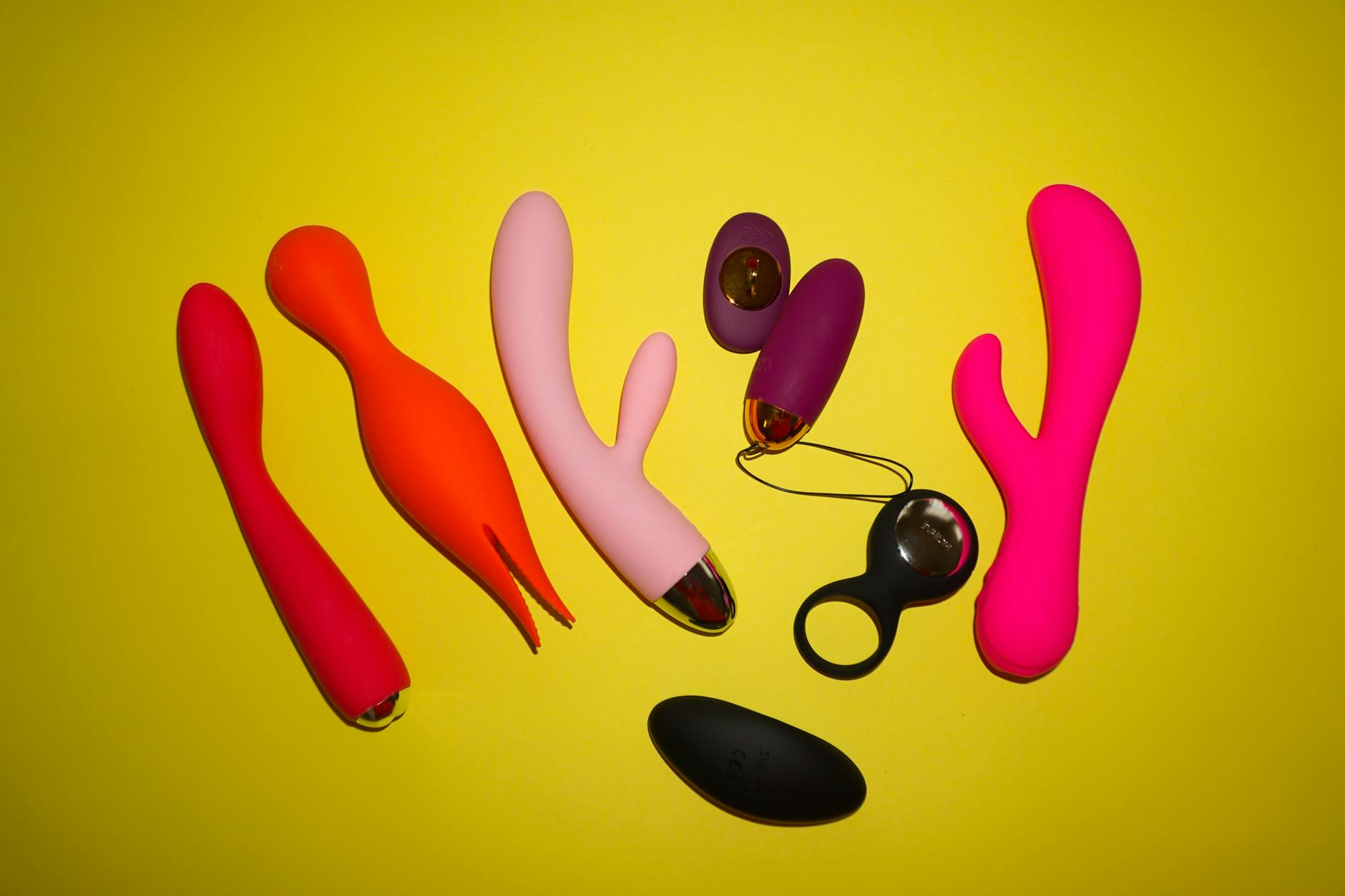
Lemon Vibrators in Open and Polyamorous Relationships
How to use pleasure tools across multiple partners without tangling boundaries, trust, or desire. A coach's guide to communication, clarity, and solo joy.
Openness and polyamory don't solve the intimacy problems that monogamy has. They just make them visible earlier. And pleasure tools like lemon vibrators? They either become a bridge between partners or a source of silent resentment. Which one depends entirely on how you talk about them.
Here's what I've learned after years of working with couples navigating multiple relationships: the vibrator isn't the issue. The conversation before the vibrator is.
Most people in open or polyamorous relationships assume their partners don't care about solo pleasure. They're often wrong. Some partners feel protective about it. Some want to know about it. Some feel left out. Some feel relieved. You won't know until you ask.
That conversation looks like this:
"I'm thinking about exploring solo pleasure with a lemon vibrator. I want to be transparent about it. What would feel good to you to know, and what wouldn't?"
That's it. You're not asking permission. You're asking about their needs for information and comfort.
The answer tells you a lot. If a partner says "I want to know when and what you use," that's about connection and trust, not control. If they say "I don't want to hear about it but I trust you," that's a different boundary. If they say "Can I be there?" that's negotiating shared pleasure. All of these are valid. All of them require different communication going forward.
What doesn't work: assuming you know what they want and acting accordingly.
Jealousy in open relationships isn't a failure of the system. It's information. When a partner feels jealous about your lemon vibrator use, it usually isn't about the vibrator. It's about feeling replaced, disconnected, or unsure of where they sit with you.
That's workable. Here's how:
First, separate the jealousy from the behavior. "I feel jealous when you use your vibrator without mentioning it" is real feedback. "You shouldn't have solo pleasure" is a different conversation, and it's about their insecurity, not about what's actually healthy for you.
Second, look for the actual need underneath. Is your partner jealous because they want more sexual connection with you? Because they feel excluded from your pleasure? Because they're worried you're losing interest in partnered sex? Those are three different problems with three different solutions.
If it's about connection, maybe you use your lemon vibrator together sometimes. If it's about inclusion, maybe they want to know what patterns you like. If it's about reassurance, maybe you schedule partnered time and protect it.
The vibrator itself is almost never the real issue.
Open and polyamorous relationships require more boundaries than monogamous ones, not fewer. Here's what I recommend:
Clarity about shared space versus solo space. Do you use your lemon vibrator in a shared bedroom or in private? This matters less than being intentional about it. Some couples love the vulnerability of simultaneous solo pleasure. Others need privacy. Both are fine. Just decide together.
Rules about disclosure. How much does each partner want to know? Some people want real-time updates ("I'm about to use my vibrator"). Some want monthly check-ins. Some don't want to know at all. Whatever you choose, consistency matters more than what you choose.
Separation of solo pleasure from partnership. Here's the tricky one: using a lemon vibrator shouldn't become a substitute for sex with your partners. If you're using it every day but rarely having partnered sex, something's broken. That might be exhaustion, mismatched desire, or resentment. Deal with that thing. Don't just blame the vibrator.
Rules about involving other partners. If you have multiple partners, does everyone know that all of them might use your vibrator (shared) or buy their own (individual)? Does anyone get veto power? How do you handle hygiene? These questions sound practical because they are. They're also ways of saying "I care about your comfort and I want us all to feel respected."
This happens more than people admit. And it's wonderful, awkward, and requires logistics.
First: you get to say no. Your vibrator is yours. If you don't want partners using it, that's a full boundary. You don't need a reason beyond "I want this to be mine."
If you do want to share, here are the logistics: clean before and after, always. Silicone vibrators like the Lem can be washed with warm soapy water or toy cleaner. Set expectations about when sharing happens. Some couples use shared toys only in partnered moments. Others keep one shared and buy personal ones. Some rotate whose vibrator gets used.
The real conversation here is about what shared pleasure means to you. Does your partner want to use it because they like the sensation, or because they want to feel included in your pleasure? Those are different desires. The first is practical. The second is emotional.
If they want to feel included, maybe they don't need to use the exact same vibrator. Maybe they want to be present while you use it. Maybe they want to buy one too and explore together. Ask.
Here's something I've noticed: people in open relationships often have MORE sexual shame than monogamous people, not less. Why? Because there's more visibility around desire and more potential for comparison.
You might have a partner with a much higher sex drive. You might have a partner who wants different things than your primary. You might find yourself more attracted to one partner's energy than another. These aren't failures of polyamory. They're human.
Your lemon vibrator can help manage this without resentment. If you have a partner with lower desire, solo pleasure keeps you from resenting them for their drive. If you have a partner with higher desire, they can explore with other partners while you recharge.
But and this is crucial: a vibrator isn't a replacement for honest conversation about mismatched desire. It's a tool that works best alongside clear communication.
If you're using your vibrator to avoid partnered sex, that's avoidance dressed as autonomy. Same thing if a partner insists you use it instead of having sex with them. If you're keeping your vibrator use secret because you know your partner would be upset, that's a trust problem, not a vibrator problem.
If jealousy is getting worse instead of better despite conversations, you might be dealing with a deeper incompatibility about what open means to each person.
If multiple partners have different rules about disclosure and you're managing different systems for different people, that's burnout waiting to happen. Simplify.
None of these mean polyamory or open relationships are wrong for you. They mean something needs adjustment. Usually in communication, not in the relationship structure itself.
Here's what I tell clients: you get to have pleasure in an open relationship. You get to have solo pleasure. You get to use tools like lemon vibrators without shame or apology. And you also get to be accountable to your partners about what you do.
Those two things aren't contradictory. Accountability isn't control. It's "I respect you enough to be honest about my life." That's actually what makes open relationships work.
So: have the conversation. Be specific. Listen to the answer you get. Adjust. And then enjoy your pleasure without the guilt. Your partners being open to other people doesn't mean they don't care what you do. It usually means they care enough to let you figure out what you actually want.
Not necessarily. It depends on what you and your partners decided together. Some couples do a weekly check-in instead of real-time updates. Some don't need to know at all. The key is that you chose this together, not that you're managing different rules for different partners to avoid conflict.
That's actually common and workable. You might have different agreements with different partners. You might use your vibrator alone with the jealous partner but with less frequency to reassure them. You might use it freely with the other partner. What matters is being honest with each person about what you're doing and why. If someone's jealousy is chronic and conversation doesn't help, that's a deeper relationship issue that a vibrator can't fix.
Yes, if everyone consents and you're managing hygiene responsibly. Some people love the intimacy of shared pleasure. If you're doing this, clean the vibrator between people, communicate beforehand about what feels good, and check in after. Some couples rotate whose vibrator gets used. Others buy duplicates to avoid any awkwardness.
Not at all. Solo pleasure and partnered pleasure use different parts of your brain and body. One doesn't replace the other. If you're using your vibrator frequently and rarely having sex with partners, that might signal mismatched desire or burnout, but the vibrator isn't the cause. It's just where the real issue is showing up.
Then you have a boundary conflict that needs talking through. Understand why they're saying no. Are they worried about connection? Jealous? Uncomfortable with the concept? Once you know, you can address the actual issue. If after conversation you still disagree about solo pleasure, that's a compatibility question you might need help from a therapist to navigate.
Keep personal toys personal. If you're in early-stage dating with multiple people, you don't need to disclose your vibrator use unless you're becoming sexually active with someone. Once you are, the same rules apply: transparency about what you do, honesty if asked, respect for their boundaries around knowledge and involvement.
Open and polyamorous relationships work when everyone has the same information and gets to make choices based on it. Your lemon vibrator is part of that honesty. Talk about it. Be clear. Listen. Adjust. Then use it without shame.
Your pleasure matters. So does your partners' peace of mind. A good conversation makes both possible.
Ready to navigate the harder conversations in your relationships? Reach out to Hello Nancy. We're here to help you build the connection you actually want.