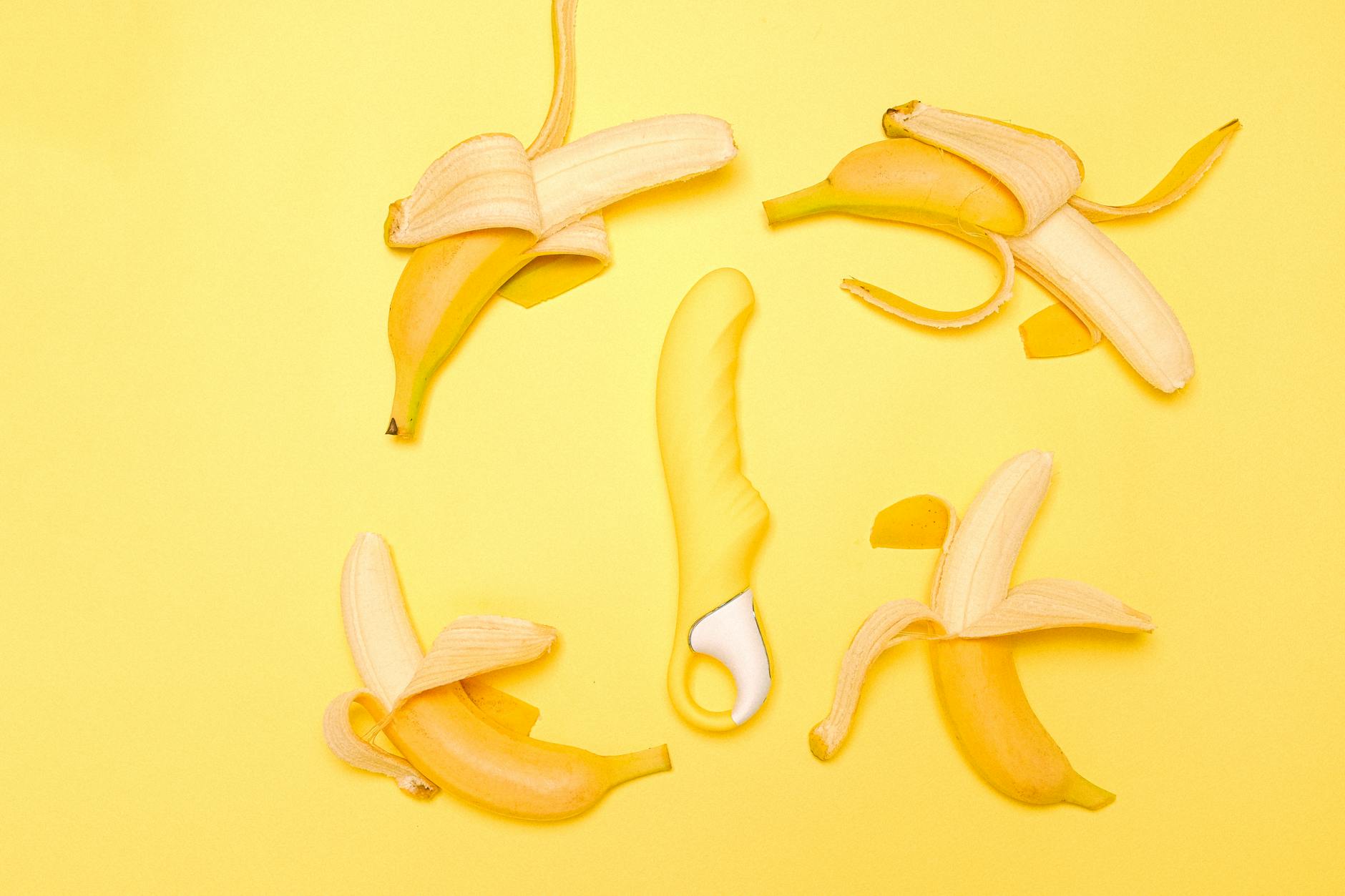
How to Use Lemon Vibrators When You're Coming Off Hormonal Birth Control
Stopping the pill rewires your arousal pattern in weeks. What to expect, why lemon clitoral vibrators feel different now, and how to recalibrate for maximum sensation.
Within two weeks of ditching hormonal birth control, your body starts rewiring itself. The estrogen and progesterone that have been flooding your system for years suddenly vanish. This doesn't just affect your cycle. It affects arousal, sensitivity, orgasm intensity, and how every kind of stimulation (including your favorite lemon vibrator) actually feels against your skin.
Most people expect physical changes. Period comes back. Maybe acne flares. But the sexual reboot catches almost everyone off guard. You might find that the intensity settings you loved for years feel too strong now. Or maybe your clitoris feels more responsive and hungry for sensation. Or you're somewhere in between, confused about whether your body broke or just needs time.
Hormonal birth control (the pill, patch, ring, shot) essentially keeps your body in a steady hormonal state. Imagine a dimmer switch locked at 30 percent brightness for years. When you stop, your dimmer suddenly gets control back. Your estrogen and progesterone start rising and falling in a natural cycle again.
Here's what this means for pleasure: estrogen directly affects blood flow to the vulva, vaginal lubrication, and clitoral engorgement during arousal. It also influences neurotransmitters that control how intense pleasure signals feel in your brain. Progesterone dampens arousal in the second half of your cycle. When you're on the pill, neither hormone is fluctuating, so your baseline arousal stays weirdly flat.
Three to five days after stopping, you're already feeling the difference. By week two, your body is producing actual estrogen again. By week three or four, your first natural cycle begins. The intensity and texture of sexual sensation shifts noticeably. Some people feel more sensitive. Others feel less responsive at first, then gradually more so as their body remembers how to produce its own hormones.
Most people report one of three patterns after quitting hormonal birth control.
Pattern one: Everything feels more intense. Your clitoris is more swollen and responsive to touch. Orgasms build faster. The lowest settings on your lemon vibrator might suddenly feel too strong. If this is you, drop down one or two intensity levels and give your body two weeks before pushing back up. Your nervous system is recalibrating and doesn't need extra stimulation to reach orgasm. You might achieve it faster now, which feels amazing until it happens too fast. Slowing down your warm-up actually helps.
Pattern two: Everything feels numb or harder to reach. This is the flip side. Estrogen is rebuilding. Your body isn't producing enough yet to support the robust blood flow and engorgement it did on the pill. This feels counterintuitive because the pill was actually artificially boosting your baseline sensitivity. Once it's gone, you're at a lower baseline temporarily. Use your lemon vibrator at patterns three and four instead of one and two. Longer warm-up time helps too. You're not broken. You're waiting for your natural estrogen to climb back to its own rhythm.
Pattern three: It's weirdly inconsistent. Some days your clitoris is hypersensitive. Other days you barely feel stimulation. This is the most common experience and it's completely normal. You're living inside your actual hormonal cycle for the first time (or the first time in years). Estrogen and progesterone rise and fall across your month. Pleasure sensitivity rides on that wave. Understanding this stops the panic.
Unlike traditional bullet vibrators that rely on rapid friction, clitoral suction toys like the lemon vibrator create pleasure through gentle air-pulse stimulation. This matters enormously when your hormones are recalibrating.
On the pill, the artificial hormone stability kept your clitoral tissue at a predictable thickness and blood-flow state. Lemon vibrators worked at a certain depth and speed. Now your tissue is changing weekly. Some weeks it's engorged and responsive to light suction. Other weeks it's thinner and needs more direct engagement.
The advantage of a suction toy is that it's actually more forgiving during hormonal flux than a traditional vibrator. The suction pattern doesn't deliver the same mechanical pressure on tissue that changes thickness. It works with your natural engorgement rather than against it.
Your body will probably follow one of these timelines. Use this to set realistic expectations.
Days one to seven after stopping. You might feel nothing yet or a slight decrease in sensitivity as the synthetic hormones clear your system. If you use your lemon vibrator, stick to patterns one through three. Don't interpret decreased sensation as broken. It's transition.
Days eight to fourteen. Your body is producing estrogen again. Sensitivity starts returning, sometimes explosively. Some people feel almost too much sensation. If you notice yourself tensing up or jumping away from stimulation that didn't bother you last week, scale back the intensity and slow your warm-up. Let your nervous system catch up to your hormones.
Days fifteen to twenty-one. Natural ovulation is approaching. Estrogen peaks. Blood flow to your clitoris is at its most robust. This week, your lemon vibrator probably feels best. Most people find they need less time to reach orgasm and the sensations are vivid. Enjoy it. Orgasms might be more intense now. This is your body remembering what it feels like to run its own show.
Days twenty-two to twenty-eight. Progesterone rises after ovulation. Arousal naturally dips. Your clitoris feels less engorged. Orgasms take longer and feel less dramatic. This is normal. Many people find their lemon vibrator needs to run on a slightly higher setting this week to bridge the progesterone dampening effect. Don't fight it. Work with it.
One: Match your intensity to your cycle, not to your old pill routine. Stop assuming you know what setting you prefer. Check in with your body each time. Start at pattern one, spend two minutes there, then let sensation guide you. Move up only when you're ready. This takes longer but prevents desensitization and gives you real data about what your post-pill body actually wants.
Two: Extend your warm-up. On the pill, arousal might have come in five to eight minutes. Now budget ten to fifteen. Your body needs time to generate blood flow and natural lubrication. A longer warm-up also lets your nervous system catch up to your hormones, which means fewer moments of overstimulation and more consistent, building pleasure. Mental arousal (fantasy, partner connection, whatever works for you) matters more now too.
Three: Track what you notice. You don't need a formal tracking app if that's not your style. But journaling three things per week helps. How many days past your period? What intensity setting felt best? Did warm-up feel longer or shorter than expected? Pattern recognition emerges fast. By week six, you'll know roughly when your hormones are peaking and can plan accordingly.
Most sensitivity changes settle within four to six weeks. If you're still experiencing pain, numbness, or complete loss of arousal after eight weeks, check in with a doctor. Occasionally, stopping hormonal birth control unmasks other conditions (hormonal imbalances, pelvic floor dysfunction, underlying low libido) that the pill had been masking.
Also watch for anxiety spikes. Hormonal birth control dampens cortisol. When you stop, anxiety can temporarily rise. Anxiety contracts your pelvic floor, which absolutely kills sensation. If you're finding it hard to feel anything with your lemon vibrator and you're also more anxious than usual, that's the likely culprit. Breathing work, shorter sessions, and lower intensity help while your nervous system settles.
Here's the part everyone wishes they'd been told upfront: most people find that pleasure, arousal, and orgasm are actually better post-pill than they were while on it. The pill flattens your sexual experience into a steady-state okay feeling. Your natural cycle brings peaks and valleys. The peaks are genuinely higher.
Orgasms often feel deeper and more full-body. You might discover new pleasure zones as your nervous system re-wakes. Arousal can feel more psychologically integrated, less like a physical reflex and more like real desire. Your lemon vibrator might become even more satisfying once you're fully through the transition because you're meeting your actual hormonal state instead of fighting against synthetic hormones.
Give yourself grace during the in-between weeks. Your body isn't broken. It's remembering how to pleasure itself without external hormonal control. That's a feature, not a bug.
Three to six months for most people. That's when your hormone levels fully stabilize and your cycle settles into a predictable pattern. You'll probably notice big changes in the first month, then smaller adjustments for two more months. After that, you're usually stable. If you're still experiencing major changes at six months, talk to your doctor.
Probably not the same way it did on the pill, but potentially better. You're matching a different hormonal baseline now. The intensity that worked for you on synthetic hormones might not be what your natural-cycle body wants. Think of it less as something being wrong and more as getting a settings refresh. Most people find their perfect intensity by week six.
Absolutely. You might want to bump up the intensity slightly to bridge the progesterone effect, but numbness doesn't mean you shouldn't use it. Actually, consistent pleasure use during the transition helps your nervous system re-calibrate faster. Light regular stimulation is better than aggressive stimulation or nothing at all.
No. Some people get more sensitive immediately. Others take weeks. Some experience wildly inconsistent sensitivity week to week. All of it is normal. Your baseline hormones, how long you were on the pill, your individual neurology, and stress levels all affect the timeline. Comparison to other people's experiences isn't useful. Track your own.
No. Your vaginal lubrication, clitoral engorgement, and tissue texture are all changing as your hormones rebalance. This is not a problem. It's actually information. Your partner might notice that you're more responsive, more present, or want different things. These are openings for better communication, not signs something is wrong. Use a lemon vibrator together if that appeals to you. Pleasure exploration during this time can actually be really connective.
Your cycle's follicular phase (from first day of period through ovulation) is typically when clitoral sensitivity is highest and orgasms are easiest. Ovulation week is usually the sweet spot. The luteal phase (after ovulation) requires a bit more intensity and warm-up, but orgasms are often deeper. Neither is better. Both are part of your new normal.
Coming off hormonal birth control is a genuine physiological reset. Your lemon vibrator doesn't need to change, but how you use it probably will. Give yourself four to six weeks to figure out your new baseline. Start lower on intensity than you think you need. Budget more time for warm-up. Track what actually feels good instead of assuming you know. And remember that the sensitivity changes you're experiencing aren't a step backward. They're your body's natural pleasure system waking up again after years of chemical management. That's something to explore, not something to fear.