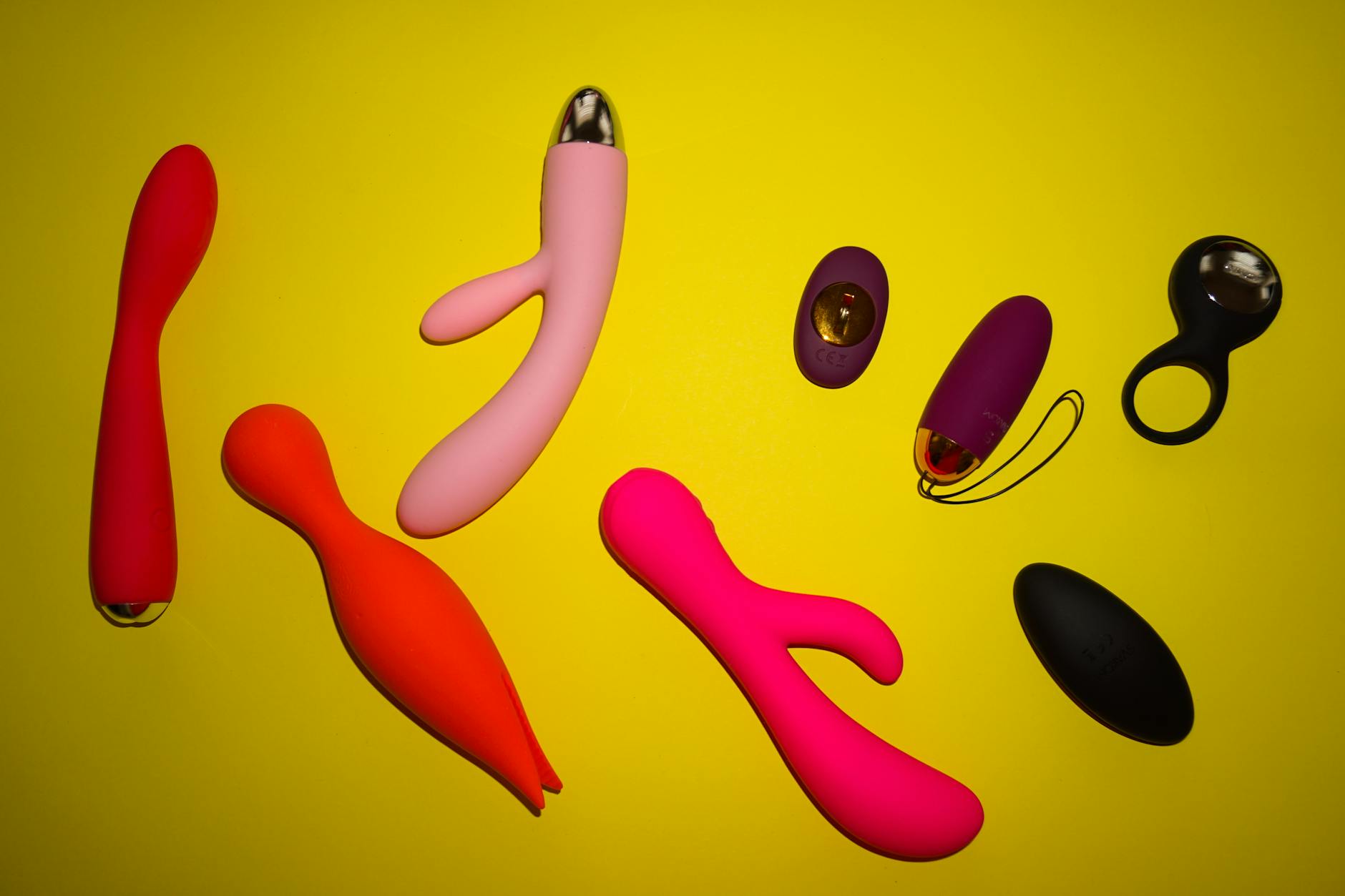
How to Use Lemon Vibrators When Sensation Changes From Birth Control
Most people don't talk about how hormonal contraception reshapes sensation and arousal. Here's what's actually happening to your body, and why a lemon clitoral vibrator can help you reclaim pleasure.
Let's be real. Nobody warns you that your pill, patch, or implant might change how your clitoris responds to touch. Your doctor explains the period thing. They don't mention that sensation might feel muted, or that it takes longer to build arousal, or that orgasms might shift texture entirely. The result: you blame yourself instead of understanding what's happening physiologically.
Hormonal contraception doesn't destroy pleasure. It reorganizes it. And once you understand the mechanism, you can work with your body instead of against it.
Most hormonal contraceptives suppress ovulation by manipulating estrogen and progesterone levels. This stabilizes your cycle, but it also dampens the natural hormonal peaks that trigger arousal. Here's the chain of events.
Estrogen influences blood flow to genital tissue and affects neurotransmitter sensitivity in your brain. When estrogen levels dip below your natural baseline (which hormonal birth control achieves), clitoral tissue gets less blood flow. Less blood flow means slower arousal and sometimes a sensation of numbness or reduced intensity during stimulation.
Progesterone shifts are equally important. Elevated progestin (the synthetic version in birth control) can dampen motivation and increase emotional blunting. Some people describe it as a fog over desire itself, not just the physical response.
Third piece: testosterone. Yes, people with ovaries produce testosterone, and it's a major driver of clitoral sensation and orgasmic intensity. Hormonal birth control, especially combined pills, can lower free testosterone. Result: less genital sensation and sometimes a complete flattening of spontaneous desire.
Add all three together, and you've got reduced blood flow, a neurochemical dampening of arousal signals, and lower testosterone signaling. That's not your fault. That's pharmacology.
Three patterns show up consistently in conversations with people on hormonal contraception.
Delayed arousal. You used to be ready in 5 minutes. Now it takes 20. This isn't psychological. Your body physically takes longer to generate clitoral engorgement and lubrication when estrogen is suppressed. Budget time and patience.
Orgasmic texture shift. Some describe it as orgasms becoming shallower, less full-body, or concentrated only in the clitoris instead of radiating outward. Others report that they can still orgasm but the buildup feels like climbing a longer hill. Both are neurologically real. Both are common.
Spontaneous desire going quiet. The random thought that used to hit you mid-afternoon and make you want to find a partner or spend time alone vanishes. This is often the most unsettling change because it feels like you've lost interest entirely. You haven't. Your brain's dopamine response to sexual cues has been chemically altered. That's not depression or relationship trouble. That's estrogen.
Importantly, these changes don't mean you can't experience pleasure. They mean the pathway to pleasure has shifted. And that shift is exactly where lemon sexual toys and other clitoral vibrators create an advantage.
A manual hand touch requires your body to generate arousal before sensation intensifies. Vibration works backward. It provides external stimulation that bypasses some of the arousal delay.
Lemon clitoral vibrators use air-suction stimulation rather than direct vibration. Suction creates a broad, steady pressure that engages deeper clitoral tissue and surrounding nerve endings. When you're on hormonal birth control and your blood flow to the clitoris is already compromised, that broad-spectrum stimulation is more effective than targeted vibration alone. You're not fighting against dampened sensation. You're meeting your body where it is.
The intensity ramp is gentler too. You can start on a lower setting and let sensation build steadily rather than needing immediate responsiveness. Many people on hormonal contraception find that they can find pleasure more reliably with a lemon vibrator than with partnered touch, precisely because the toy delivers consistent, external stimulation that doesn't depend on their body's arousal cascade activating first.
If you've moved to hormonal birth control and sensation has changed, here's how to set yourself up for success with a clitoral vibrator.
Start with lower intensities. The Lem vibrator has multiple pattern settings. Begin at pattern 1 or 2, not 5. Your tissue doesn't need aggressive stimulation. Steady, consistent pressure works better when sensation is already muted. You can build intensity as you explore what feels good now, not what felt good before.
Extend your warm-up time. Arousal on hormonal birth control is slower. Budget 10 to 20 minutes of exploration before expecting an orgasm. Use the first few minutes without the vibrator, just touching and feeling. Then introduce the toy. This gives your body time to generate the blood flow and neurochemical shifts it needs.
Layer lubrication. Hormonal birth control can decrease natural lubrication. Water-based lube isn't just comfort. It reduces friction and makes suction stimulation more effective. Use it generously. Your pleasure is not a sign of dysfunction. It's smart physiology.
Track the timing. Many people on the pill report that sensation fluctuates with their cycle, even though they're on continuous hormones. Suction-based lemon adult toys can help you navigate that variation because they're less sensitive to small changes in arousal state than other stimulation.
If sensation completely disappeared and hasn't returned after three months of consistent exploration, or if arousal became painful, that's a sign to ask your provider about switching contraceptive methods. Different formulations deliver different hormone profiles. A lower-dose pill, a different progestin, or a non-hormonal method might restore sensation without sacrificing contraceptive reliability.
You're not being dramatic by switching. Pleasure and sexual function are legitimate health markers. If a medication dampens them severely, you have other options. Same-day or next-day appointments are absolutely appropriate for this conversation. Your provider has heard this question countless times.
Hormonal birth control creates an opportunity, weirdly. Once you understand that sensation has shifted chemically rather than psychologically, you can explore what pleasure looks like now instead of chasing what it used to be. A lemon clitoral vibrator becomes a tool for that rediscovery, not a band-aid for dysfunction.
Many people find that once they've adapted to hormonal contraception and learned what their body responds to with a toy like the Lem, their pleasure becomes more reliable and less dependent on circumstance. You're not waiting for spontaneous desire. You're engaging with deliberate, body-aware exploration. That's not settling. That's actually more sustainable long-term.
Your sensation isn't broken. It's reorganized. And there are tools designed to work with that reorganization, not against it.
Lemon clitoral vibrators won't reverse the biochemical effects of hormonal contraception. But they work really well within those changes. Suction-based stimulation from the Lem bypasses the delayed arousal problem by providing steady external pressure. Many people report that orgasms become easier and more reliable with a clitoral vibrator specifically because the toy doesn't depend on your body's baseline arousal state. The sensation itself might still feel different than pre-birth control, but the intensity and reliability often improve.
Three months is a reasonable timeline. Your body needs time for neurochemical adaptation. In the first month, changes feel disorienting. By month two, you start noticing patterns in what does and doesn't work. By month three, most people have a clearer sense of their new baseline. If sensation is still severely muted after three months, that's worth discussing with your provider. Some formulations are gentler on arousal than others.
Completely normal. The neurochemistry of orgasm includes dopamine, serotonin, and oxytocin signaling. Hormonal birth control shifts the endocrine environment these neurotransmitters work within. Orgasms can feel shallower, more concentrated in one area, harder to reach, or sometimes paradoxically more intense once they arrive. All of these are documented variations. None of them indicate that something is wrong with you or your body.
Maybe. Different formulations have different effects on arousal. Lower-dose pills, progestin-only methods, and non-hormonal options all have different sensation profiles. If your current method is severely dampening pleasure and you've given it three months to adjust, talking to your provider about alternatives makes sense. This is a legitimate health concern, not a superficial preference.
Yes, but the conversation matters more than the action. If you're partnered, separate the two discussions: "My body is responding differently" is different from "I want us to reconnect." Many partners assume sensation changes mean lack of attraction. They don't. Explaining the biology takes that worry off the table. Then you can actually explore together instead of both feeling rejected.
Often. Switching from a combined pill to progestin-only methods, or to non-hormonal contraception, can restore sensation. Some people find that their previous sensitivity rebounds within a few weeks of discontinuing hormonal birth control. Others discover they prefer their sexuality on hormonal contraception once they've adapted and explored it. The only way to know is to try. Work with your provider on timing and what to expect.
Birth control changes sensation. This is not a failure of your body or your relationship. It's pharmacology. Once you understand what's happening, you can respond deliberately instead of blaming yourself. A lemon vibrator is one of the most effective tools because it works with your body's shifted arousal state rather than against it. Explore, be patient, and remember that pleasure looks different now. That doesn't mean it's less real.