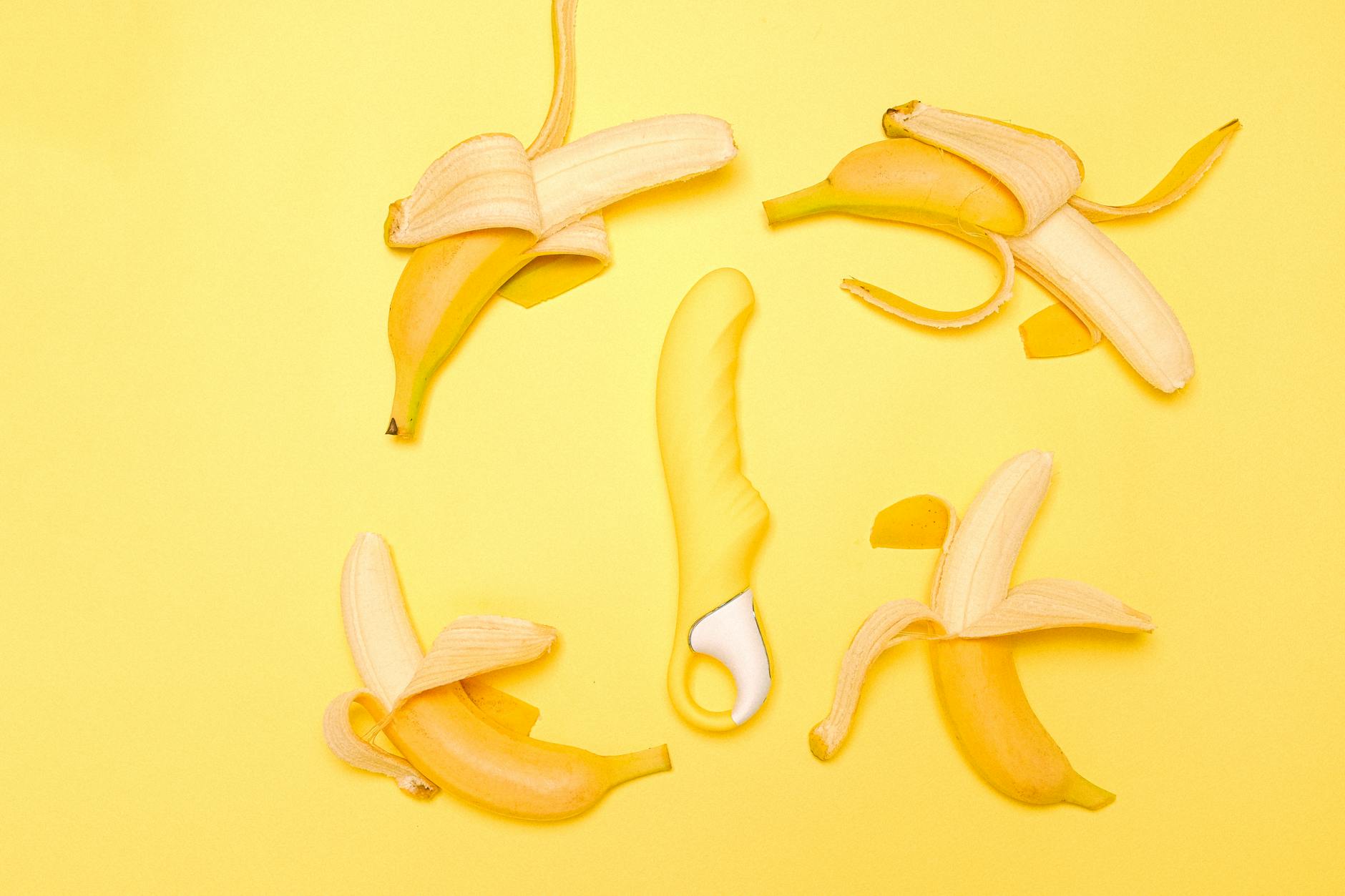
How to Use Lemon Vibrators When Estrogen Drops With Age
Estrogen decline changes how your body responds to pleasure. Here's why lemon clitoral vibrators often work better than they used to, and how to adjust for maximum sensation.
Honestly, the narrative around estrogen and pleasure is backwards. Most people think declining estrogen means pleasure fades. What actually happens is more nuanced. Tissue becomes thinner, arousal builds slower, and the kind of stimulation that worked in your twenties might feel too intense or not intense enough in your forties or fifties. That's not failure. That's information.
Estrogen keeps vaginal and clitoral tissue thick, plump, and well-supplied with blood flow. When estrogen drops, that tissue thins. The skin becomes more delicate. Nerve endings that were cushioned by fuller tissue now sit closer to the surface, which sounds like it would feel more sensitive. Sometimes it does. But often what happens is the opposite: thinner tissue feels more fragile, and direct vibration can feel harsh or even slightly uncomfortable.
This is why people often tell me "I used to love intense vibration, but now it's too much." They're not losing sensation. Their sensation is literally closer to the surface, and brutal stimulation doesn't feel good anymore.
A lemon sucker like the Lem uses air-pulse technology instead of traditional vibration. Rather than buzzing directly against delicate tissue, it creates a gentle suction that stimulates nerves without the same mechanical pressure. For people navigating estrogen decline, that's often exactly what the body is asking for.
Estrogen also affects how quickly arousal builds. When estrogen is high, your clitoris can respond to touch in seconds. When estrogen drops, arousal becomes a slower process. You might need 15 to 25 minutes of warm-up instead of five.
This isn't dysfunction. It's just biology. And it's worth adjusting for rather than fighting against.
I recommend telling yourself a different story about this. Instead of "I'm slower now," try "I get to have longer foreplay." Longer warm-up means more time for anticipation, more opportunity to notice what actually feels good, and often deeper arousal when it does arrive.
With a lemon clitoral vibrator, you can start on the lowest setting and spend time exploring. The Lem has multiple patterns, which means you're not locked into one type of stimulation. You can use pattern one for slow, meditative pleasure during the warm-up phase, then move to something more intense once arousal is fully built.
When estrogen drops, natural lubrication often decreases. This is one of the few things I'll call genuinely uncomfortable, and it's also completely manageable.
Water-based lubricant isn't a sign of damage or failure. It's a tool that works with your body's current reality. Use it generously. Reapply if things start to feel dry. Your lemon vibrator will glide better, sensations will feel smoother, and you won't spend your pleasure time worrying about friction.
Pair a good water-based lube with a lemon sucker and you've solved one of the biggest pleasure barriers people hit in midlife. It's that simple.
There's a reason I keep coming back to suction technology. When tissue is thinner and more sensitive to direct pressure, suction creates a fundamentally different sensation. It's less focused and harsh, more encompassing and rhythmic.
Think of it this way: vibration is a jackhammer. Suction is a vacuum. One presses against tissue with speed. The other creates negative pressure that draws tissue gently upward and stimulates a broader nerve area. For aging bodies, that distinction is significant.
Lemon vibrators that use air-pulse suction instead of traditional buzzing often feel more pleasurable, less overwhelming, and easier to enjoy for extended periods. You're not fighting your body's changes. You're working with them.
Estrogen also affects the pelvic floor. The muscles that support your organs and contribute to orgasm sensation get less support as estrogen drops. Some people notice their orgasms feel shallower or less intense. Others notice the opposite: without the complexity of hormone cycling, orgasms feel more concentrated and easier to reach.
The variable here isn't your body breaking down. It's your body stabilizing around a new baseline.
If you want to amplify sensation, pelvic floor exercises help, but not the way you might think. Most people focus on strengthening. What often matters more is learning to fully relax the pelvic floor. Tension creates numbness. Relaxation creates sensation. Spend time in slow breathing, consciously softening those muscles, and letting your lemon vibrator do the work while your pelvic floor stays loose and responsive.
Estrogen decline happens alongside other midlife shifts. Your kids might be older or leaving home. Your relationship might be transitioning. You might be dealing with career changes, aging parents, or a complete reckoning about what you actually want from pleasure after decades of performing for someone else.
That context matters. I've had clients tell me their pleasure completely shifted not because their bodies changed, but because their minds finally got quiet enough to pay attention to sensation.
If you're exploring lemon clitoral vibrators for the first time in years, or if you're rebuilding pleasure after a period where it wasn't a priority, there's emotional work happening too. Be patient with yourself. Arousal might take longer partly because you're genuinely present now instead of checked out.
If penetrative sex becomes painful, that's genitourinary syndrome of menopause, and it's highly treatable. Topical estrogen creams work quickly and have minimal systemic absorption. Don't suffer through it.
If desire itself has vanished, that's worth discussing with a provider. Testosterone therapy is available and can be life-changing, though it's prescribed more conservatively in some regions than others.
Your clitoral vibrator is a tool for pleasure, not a substitute for medical care. Get the medical support you need, then bring the tools in.
Usually two to four weeks of regular use. Your brain needs time to learn what the new sensation feels like. Don't expect the same response you had at 25. Expect something different, and often deeper. Many people find their most satisfying orgasms come in this phase of life, once they stop comparing it to the past.
If a vibrator pattern feels sharp or uncomfortable, switch to a lower setting or try a different pattern. You're not broken. The tissue just needs gentler stimulation. With a lemon sucker, you have options. Use them. Pain is information that you need to adjust the pressure or intensity.
Absolutely. Orgasm capacity doesn't disappear. How orgasms feel might change. They might take longer to build, feel different in intensity or texture, or involve different body parts more than others. That's not loss. It's variation. Clitoral vibrators, especially ones that use suction, often make orgasms easier to reach in this phase.
Yes, always. Lube isn't optional when estrogen is low. It's foundational. Water-based works best with silicone toys. Generous application makes everything feel better. This is not a compromise or a workaround. This is how your body works now.
You almost certainly do. Arousal builds slower with lower estrogen. Spend 15 to 25 minutes on foreplay, touch, or mental excitement before you bring in the vibrator. This isn't a burden. It's an invitation to slow down and notice what actually feels good.
Try using it over clothing, or with a thin cloth between the toy and your skin. That muffles the intensity. You can also use it for a few seconds at a time rather than sustained contact. Let your body build tolerance gradually. Some people find that after a few weeks of gentler use, higher intensities start to feel better.
Estrogen decline isn't an ending. It's a transition that actually opens doors to different kinds of pleasure. Your body isn't broken. It's asking for something different than it used to. A lemon vibrator, particularly one that uses suction technology, is often exactly what that body needs. The pleasure you find now might actually be richer than before.