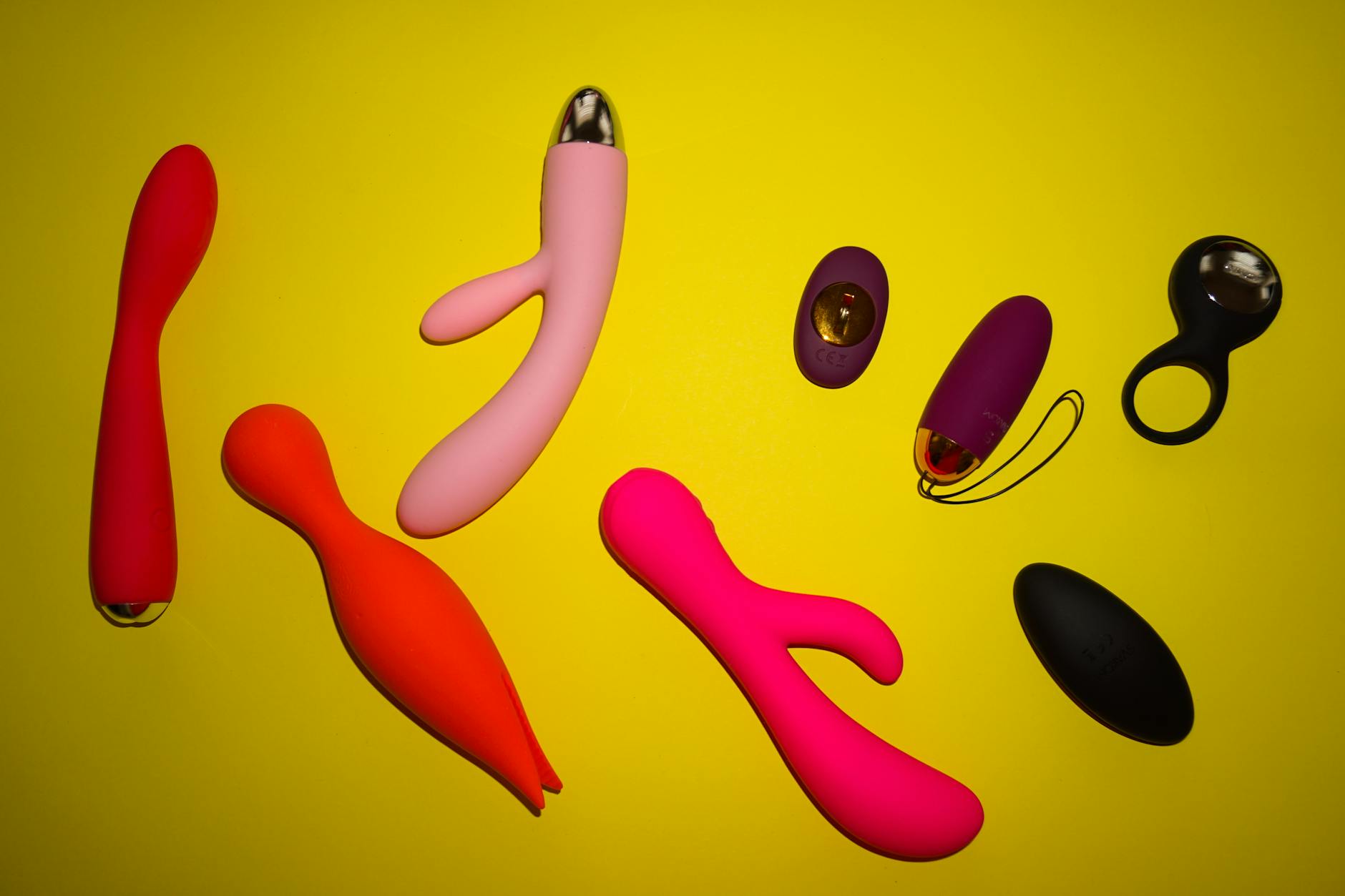
How to Use Lemon Vibrators to Rebuild Intimacy After Relationship Trauma
Touch feels unsafe after betrayal or abuse. Here's how clitoral vibrators can become a tool for reclaiming pleasure on your own timeline, with a therapist's guidance.
Let's be real. After infidelity, coercion, or abuse, the thought of being touched by anyone, including yourself, can feel impossible. Your nervous system learned that intimacy meant harm. That's not a personal failure. That's a survival instinct doing exactly what it was designed to do.
But here's what I've seen in my practice over two decades: reclaiming pleasure after trauma doesn't mean forcing yourself back into partner sex. It means rebuilding trust with your own body first, at a pace you control, using tools that let you stay in charge.
Lemon vibrators, particularly the suction-based designs from Hello Nancy, can be part of that rebuilding. Not because they're magic, but because they're tools you operate entirely on your terms.
When you experience infidelity, coercion, or abuse, your brain creates neural pathways linking arousal and danger. The amygdala (your threat detector) becomes hypervigilant. Your body may freeze, flood with cortisol, or both. Some people report numbness during sex; others experience flashbacks or intrusive thoughts that kill arousal entirely.
This isn't dysfunction. It's evidence that your nervous system was paying attention.
Recovery isn't about erasing those pathways. It's about gradually rewiring them through experiences of safety, control, and pleasure that don't involve pressure or someone else's timeline.
Therapists who specialize in sexual trauma often recommend sensate focus work. The idea is simple: you touch your own body slowly, noticing sensation without a goal. No performance pressure. No one else's needs to manage.
Clitoral vibrators fit into this framework because they let you skip the part where you're trying to generate arousal through willpower alone. Especially if your body has learned to shut down sensation to protect itself, a tool that provides direct, rhythmic stimulation can help your nervous system remember that pleasure is possible again.
This is different from healing in a partnered context, where vulnerability with someone who hurt you is exponentially harder. Solo work is foundational.
If you've experienced relationship trauma, here's what I recommend before you even touch a device.
First, notice the context. Where will you use it? Make sure it's a space where you feel genuinely safe and won't be interrupted. Lock the door if you need to. Your nervous system needs to believe no one can surprise you.
Second, move slowly. You don't have to use the vibrator on high from day one. Some of my clients spend the first session just holding it, getting used to the weight and shape. Others start with the device off, running it along their inner arm or neck to desensitize to the sensation. There's no timeline.
Third, pay attention to your body's actual response, not the response you think you should have. If numbness shows up, that's information, not failure. If you start to feel anxious or get a flashback, pause. Your nervous system is communicating.
Lemon vibrators and other clitoral vibrators work through suction or vibration. Here's how to use them if your nervous system is still learning trust.
Pattern 1 is your friend. If you're using a device with multiple settings (like the Lem), start at the lowest intensity. The goal isn't intensity right now. It's consistent, predictable stimulation that your body can adjust to gradually.
External only, always. Penetration, even with a finger, can trigger flashbacks or fight responses if you've experienced coercion or assault. The clitoris has more nerve endings and is completely sufficient. Keep the experience contained to what feels controllable.
Set a timer. Knowing you have a defined endpoint helps your nervous system relax. Try 10 minutes. If you want to continue, you can reset. But the boundary itself is calming.
Use water-based lubricant. Not because anything's wrong with your body, but because it reduces friction and makes the sensation more comfortable, which helps your nervous system read the experience as safe rather than demanding.
Many people who've experienced betrayal or abuse carry deep shame about pleasure. The internal narrative sounds like: "If I enjoy this, I'm bad," or "I don't deserve pleasure," or "Wanting sex means I should have wanted it even when it wasn't safe."
These thoughts are normal aftermath of trauma. They're not true, but they're real.
If you notice them, pause and write them down. Externalize them. Then ask yourself: is this my actual belief, or is this the voice of the person who hurt me, or the part of me that was trying to survive?
Your pleasure matters precisely because you survived.
Eventually, some people want to rebuild sexual connection with a partner. Not all. Both are completely valid.
If you do, the solo work you've done with lemon vibrators or other tools becomes your baseline. You've proven to yourself that arousal and orgasm are still possible. You've practiced being in control. You know your body's signals.
When you bring a partner in, clitoral vibrators can actually help. You control it. You maintain the pace. Your partner is present but not directing the experience. This is a gentler entry point than traditional partnered sex and lets you rebuild trust at a slower pace.
But again, this is optional. Plenty of people find that their sexuality shifts after trauma, and that's okay too.
If you're trying this alone and finding that flashbacks are severe, or that you're freezing during any touch, or if you're having active suicidal thoughts or self-harm urges, stop and reach out to a professional. A trauma-informed sex therapist or EMDR practitioner can help rewire those neural pathways more efficiently than solo work alone.
The same goes if you're trying to rebuild with a partner and finding you're stuck in resentment or fear. That's normal and treatable, but it usually needs professional support.
Healing isn't linear. Some weeks you'll feel ready and open. Other weeks, the thought of any touch will feel impossible again. That's not backsliding. That's your nervous system continuing to process.
Lemon vibrators and other clitoral vibrators are tools. They're not the healing itself. The healing is the slow, incremental work of learning that pleasure doesn't require vulnerability to someone else. That your body can feel good. That you get to decide when, how, and with whom.
Yes, many survivors find that solo, self-directed pleasure helps rewire their nervous system. Start slowly, in a space where you feel safe, and use only external stimulation. If flashbacks are severe, work with a trauma-informed therapist before or alongside vibrator use. Your pace, always.
There's no fixed timeline. A simple test: can you be in a room alone without feeling unsafe? Can you touch your own arm without bracing? If yes, you might be ready to explore. Start with the device powered off. If that feels okay, try the lowest setting. Let your body answer.
Not necessarily, especially early on. This work is about you reclaiming your own body. If you eventually want to share this with your partner or use a vibrator during partnered sex, that's a different conversation. You don't owe transparency about solo self-care.
That guilt is a common trauma response. It's often rooted in the false belief that your pleasure is somehow connected to their betrayal, or that you should punish yourself. You're not. Your pleasure is unrelated to their choices. Reclaiming it is part of healing.
Possibly, especially if you're early in recovery. This is why starting slowly and in a safe space matters. If a flashback does happen, pause, ground yourself (feel your feet on the floor, name five things you can see), and get support. This is treatable and doesn't mean vibrators are wrong for you.
Start by using it solo until you feel confident. Then, in a calm moment outside the bedroom, tell your partner you'd like to incorporate it. You control it. You keep the pace. They're present but not directing. If at any point it feels unsafe, you stop. Practice that boundary.
If you're working through trauma and considering what pleasure might look like going forward, start here. Explore Hello Nancy's collection of <a href="/collections/all">clitoral vibrators</a> designed for intuitive, body-safe use. And if you have questions about recovery or rebuilding intimacy with a partner, we're here to listen. <a href="/contact">Get in touch</a>.