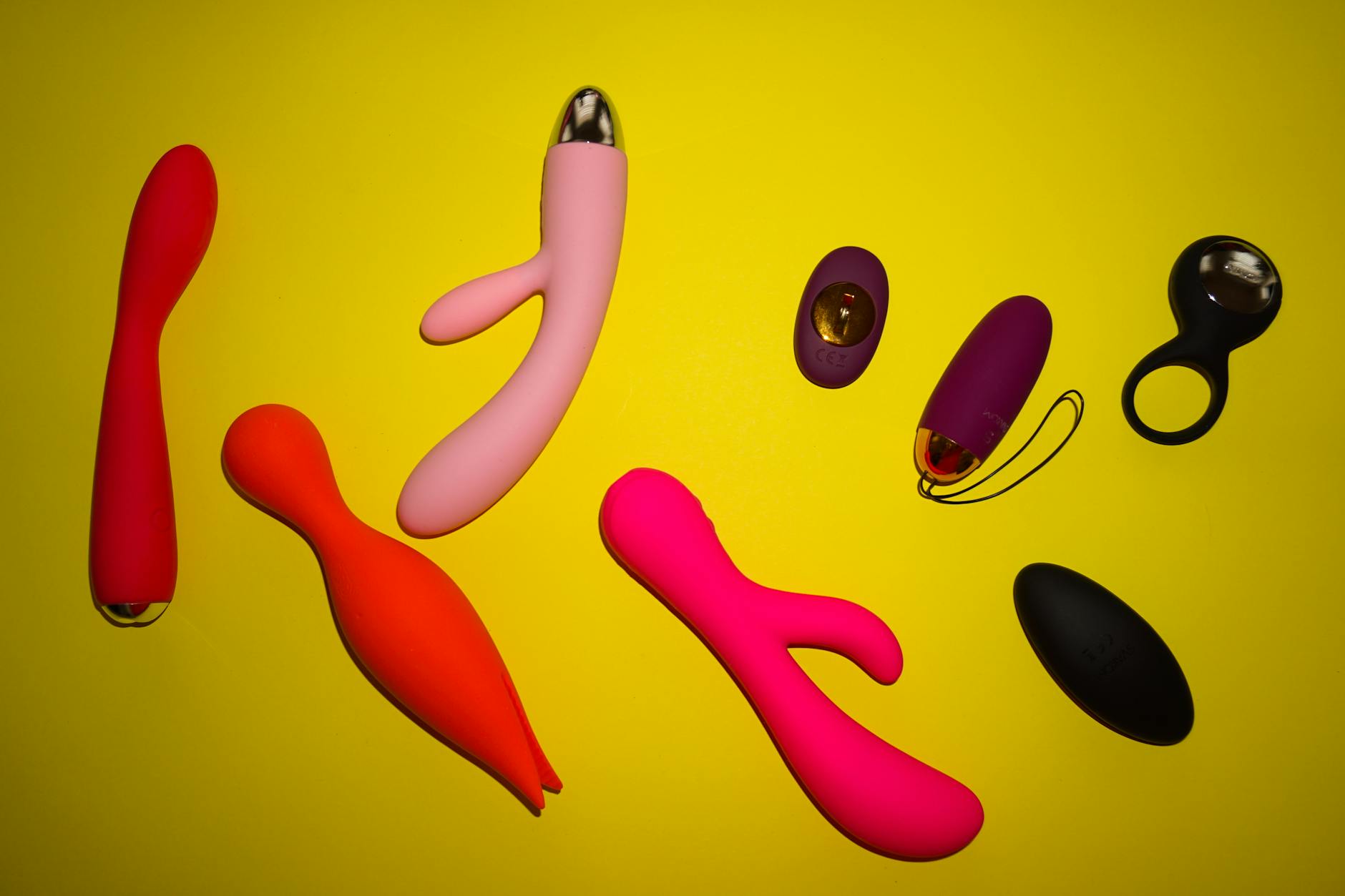
How to Rebuild Clitoral Sensitivity After Numbing From Lemon Vibrators
Overuse of clitoral vibrators can create temporary desensitization. Here's what's actually happening and exactly how to reset and retrain your pleasure pathways.
Let's be real. You're using your lemon vibrator, the sensation feels incredible at first, and then one day you notice something unsettling. You're not feeling as much. You crank up the intensity, use it more often, and now it takes longer to orgasm. You're not broken. Your clitoris isn't permanently damaged. What's happened is desensitization, and it's remarkably common.
The good news? It's reversible. Understanding what's causing it and taking intentional steps to reset your sensitivity can bring that pleasure back stronger than before.
Desensitization isn't about your nerves dying or your tissue becoming numb in a permanent way. What's actually happening is neurological adaptation. Your clitoris has thousands of nerve endings, and when those nerves are stimulated repeatedly with the same intensity and pattern, your brain starts to filter out that signal as routine.
Think of it like standing in a room with background music. At first, you hear every note. After an hour, your brain stops processing it as novel information. The music is still playing. Your ears still work. Your brain has just habituated to the input.
With clitoral vibrators like Hello Nancy's lemon clitoral vibrator, this happens because of two factors working together. First, the consistent frequency of vibration creates a predictable neural pattern. Second, repeated use without breaks doesn't give your nervous system time to reset its sensitivity threshold. The more intense the vibration and the more frequently you use it, the faster adaptation happens.
Hormonal fluctuations also play a role. If you're using your lem vibrator heavily during a lower-estrogen phase of your cycle, your tissue sensitivity is already lower, so you're starting from a smaller baseline.
Desensitization doesn't announce itself. You notice it gradually. Here's what to watch for.
You find yourself increasing the intensity settings on your lemon sucker or vibrator when you didn't need to before. What used to feel amazing at pattern 3 now barely registers at pattern 3, so you jump to pattern 5 or 6. That's the first warning sign.
Orgasms take longer to reach, or they feel less intense when they arrive. Instead of building quickly, you're spending 20 or 30 minutes trying to get there. Or the orgasm itself feels flatter, less dynamic in your body.
You're thinking about your vibrator during other sexual activities, or direct touch from a partner no longer feels as satisfying as it used to. Your body has become trained to expect the specific stimulus of a vibrating toy, and softer or different types of touch feel underwhelming by comparison.
You're using your clitoral vibrator multiple times a day, or you feel like you need to use it to enjoy any sexual experience at all. That escalation is a sign your baseline sensitivity has shifted.
The important thing here is that none of this means you've damaged yourself. You're experiencing a normal physiological response to overstimulation. The fix is systematic and pretty straightforward.
The most effective way to restore clitoral sensitivity is a structured reset period where you avoid vibrators entirely. I know that sounds counterintuitive. You want to use the toy that feels amazing, so the answer feels like it should be "use it differently." But your nervous system needs a real break to recalibrate its sensitivity threshold.
A reset break typically takes between one and three weeks, depending on how long and intensely you've been using vibrators. Start with two weeks and extend if needed.
During this break, stop using any vibrators completely. This includes lemon vibrators, other clitoral vibrators, and wand vibrators. The goal is to remove that specific stimulus entirely so your nerve endings can stop habituating to it.
During the reset phase, you have two options. Option one is to avoid self-pleasure entirely. This is more intensive but often more effective because it gives your entire pleasure system a complete break. Option two is to explore pleasure through non-vibrating methods. This means fingers, manual touch, different textures, even mental stimulation without any physical toys.
If you choose the manual exploration route, start slow. Use your fingers, your hand, maybe silk or other sensory materials. Pay attention to sensation without the goal of reaching orgasm. This is about retraining your nervous system to find pleasure in subtle input.
Many people find that after a week without vibrators, they notice increased sensitivity even to basic touch. After two weeks, they're often amazed at how responsive their body feels again.
When you're ready to bring vibrators back into your pleasure practice, the goal is to retrain your body to respond to lower intensities and varied patterns.
Start with the lowest intensity setting on your lemon vibrator or clitoral vibrator. If Hello Nancy's lem vibrator has multiple patterns, begin with the gentlest one. Don't jump straight back to intensity level 5 because it used to feel good. Your baseline has reset, and what felt overwhelming two weeks ago will now feel completely different.
Spend time at lower intensities. Give yourself permission to take longer to reach orgasm. That longer build-up is actually beneficial because it trains your nervous system to find pleasure in the entire journey, not just the destination.
Vary your patterns and intensities within a single session. Use pattern 1 for a few minutes, switch to pattern 2, go back to pattern 1. This variability prevents rapid habituation because your nervous system isn't receiving the same predictable signal over and over.
Space out your sessions. Instead of using your vibrator daily, aim for every other day or three times a week. This gives your nerves time to recover between sessions and prevents sensitivity from dropping again.
Incorporate non-vibrating touch between vibrating sessions. Use your fingers, explore sensation without toys, engage your partner if you have one. This keeps your pleasure practice diverse and prevents any single stimulus from becoming the dominant input.
Use your vibrator for specific moments rather than the entire session. For example, use it for the last few minutes when you're already quite aroused, rather than starting with it from the beginning. This rewires your body to enjoy the entire experience, not just the vibrator part.
Here's something most people don't realize. Varying intensity matters, but varying patterns matters much more. When you use the same pattern repeatedly, your nerves habituate to that specific frequency and rhythm. But when you switch between patterns within a session, you're constantly introducing novelty, which keeps your nervous system engaged and prevents adaptation.
If your lemon clitoral vibrator has multiple patterns, use this strategically. Spend two minutes on pattern 1, move to pattern 3 for a minute, go back to pattern 2. This unpredictability is actually more pleasurable for most people once they adjust to it, and it's the most effective way to prevent numbing from happening again.
The temptation is to find the perfect pattern and stay there. Resist it. The pattern that feels most immediately satisfying is often the one most likely to create habituation. Intentional variation is the solution.
Sometimes desensitization isn't purely physical. Your brain and your pleasure pathways are linked. If you've been using vibrators as a quick way to reach orgasm without much presence or mental engagement, your brain hasn't been as involved in the pleasure process.
When you're retraining sensitivity, add mental engagement. Focus on sensation without distraction. Notice where you feel pleasure in your body. Pay attention to the buildup of arousal rather than focusing solely on the endpoint.
If you typically use vibrators while scrolling or watching something, shift that. Create a dedicated space and time for pleasure without other inputs. This simple shift often creates dramatic improvements in sensation because your nervous system is actually processing the input rather than filtering it out as background stimulation.
Partner involvement can also shift the equation. If you're rebuilding sensitivity as a coupled person, having your partner involved changes the dynamic entirely. Their presence, their touch, their attention creates context that solo vibrator use doesn't provide.
For most people, a two-week reset plus intentional retraining restores sensitivity completely. But some people find that numbness persists even after a break. If that's your experience, a few things are worth exploring.
First, check whether other factors are at play. Stress, depression, anxiety, and certain medications can all contribute to decreased sensation. If you've experienced a major life stressor or started new medication during the period when you noticed numbness, those might be playing a role alongside vibrator overuse.
Second, make sure your reset break was actually a break. If you used vibrators several times during your supposed break, your nervous system didn't get the reset it needed.
Third, consider whether you're being realistic about retraining timelines. For some people, sensitivity takes a full month to return to baseline. Patience is part of the process.
If you've taken a full reset break, reintroduced gradually with varied patterns, addressed other lifestyle factors, and sensation still hasn't returned after a month, it's worth talking to a healthcare provider. Persistent numbness can occasionally indicate other things worth ruling out.
Once you've regained sensitivity, sustaining it requires ongoing intentionality. You don't have to stop using your lemon vibrators. You just have to use them in ways that maintain rather than erode your sensitivity.
Keep varying your patterns and intensities. Don't settle into one favorite setting just because it works. Use multiple patterns in each session. This is the single most effective way to prevent habituation.
Space out your sessions. Using your vibrator three times a week is generally safer than using it daily. If daily use is your preference, at least vary when and how you use it so your nervous system doesn't settle into a predictable pattern.
Intersperse vibrating and non-vibrating pleasure. For every vibrator session, have at least one session using your fingers, manual touch, or other toys. This keeps your nervous system responsive to multiple types of input.
Take regular breaks, even when sensation feels fine. A week off every month or two is preventative. It keeps your baseline high and prevents slow drift into desensitization.
Pay attention to the mental side. Stay present during pleasure. Notice sensation. Engage your mind as well as your body. This keeps your nervous system engaged in the experience rather than filtering it out as routine.
Your lemon vibrator or Hello Nancy's clitoral vibrators are tools designed to enhance pleasure, not replace it. They work best when you're using them as part of a diverse pleasure practice, not as your only avenue to sensation. That balance is what keeps pleasure alive and responsive over time.
Most people notice improvement within one to two weeks of stopping vibrator use entirely. Full sensitivity restoration typically happens within two to four weeks, though it can take longer depending on how long you've been experiencing numbing. The key is consistency during your reset period. If you use your vibrator even once during your break, you're extending the timeline significantly.
Yes, absolutely. Taking a break doesn't mean you can never use vibrators again. It means you're resetting your nervous system's sensitivity threshold so you can enjoy them sustainably long-term. After your reset period, use them with the strategies outlined here: lower intensities, varied patterns, adequate spacing between sessions, and integration with non-vibrating pleasure.
You can, but it requires communication. Explain to your partner what's happening, why you're taking a vibrator break, and what helps during this period. Many partners are relieved to learn there's a solution and are happy to engage in different types of pleasure during your reset. The reset phase is often an opportunity to reconnect through non-vibrator intimacy. See our guide on how to use lemon vibrators during penetrative sex with a partner for ways to integrate vibrators back into partnered activity in a sustainable way.
The best support is understanding and patience. Acknowledge that this is temporary and fixable. During their reset phase, offer non-vibrator intimacy and touch. When they're ready to reintroduce vibrators, be willing to engage with varied patterns and lower intensities even if it changes the pace of your sexual experience. A partner who understands what's happening and adapts accordingly is invaluable during this process.
They're not inherently bad. Numbing from overuse is a sign that intensity or frequency needs to be adjusted, not that vibrators themselves are harmful. Millions of people enjoy clitoral vibrators safely and sustainably by using them with intention and variation. The tool isn't the problem. The pattern of use is. Fix the pattern, and you can enjoy vibrators long-term without sensitivity loss.
Yes. Switching between different vibrator styles can help. If you primarily use an air-suction style clitoral vibrator, occasionally using a traditional vibrator introduces different sensations your nervous system has to process actively rather than tune out. This variety is one reason having access to multiple toy styles actually supports long-term pleasure. However, variety alone isn't enough without also taking breaks and using lower intensities.
No. Desensitization from vibrator overuse is extremely common and is a normal physiological response to overstimulation, not a sign of dysfunction. Many sex educators, therapists, and healthcare providers see this regularly. It's manageable and completely reversible with the right approach. It actually signals that your body is responsive enough to habituate to input, which is healthy nervous system function. The fix is straightforward: reset, retrain, sustain with intention.