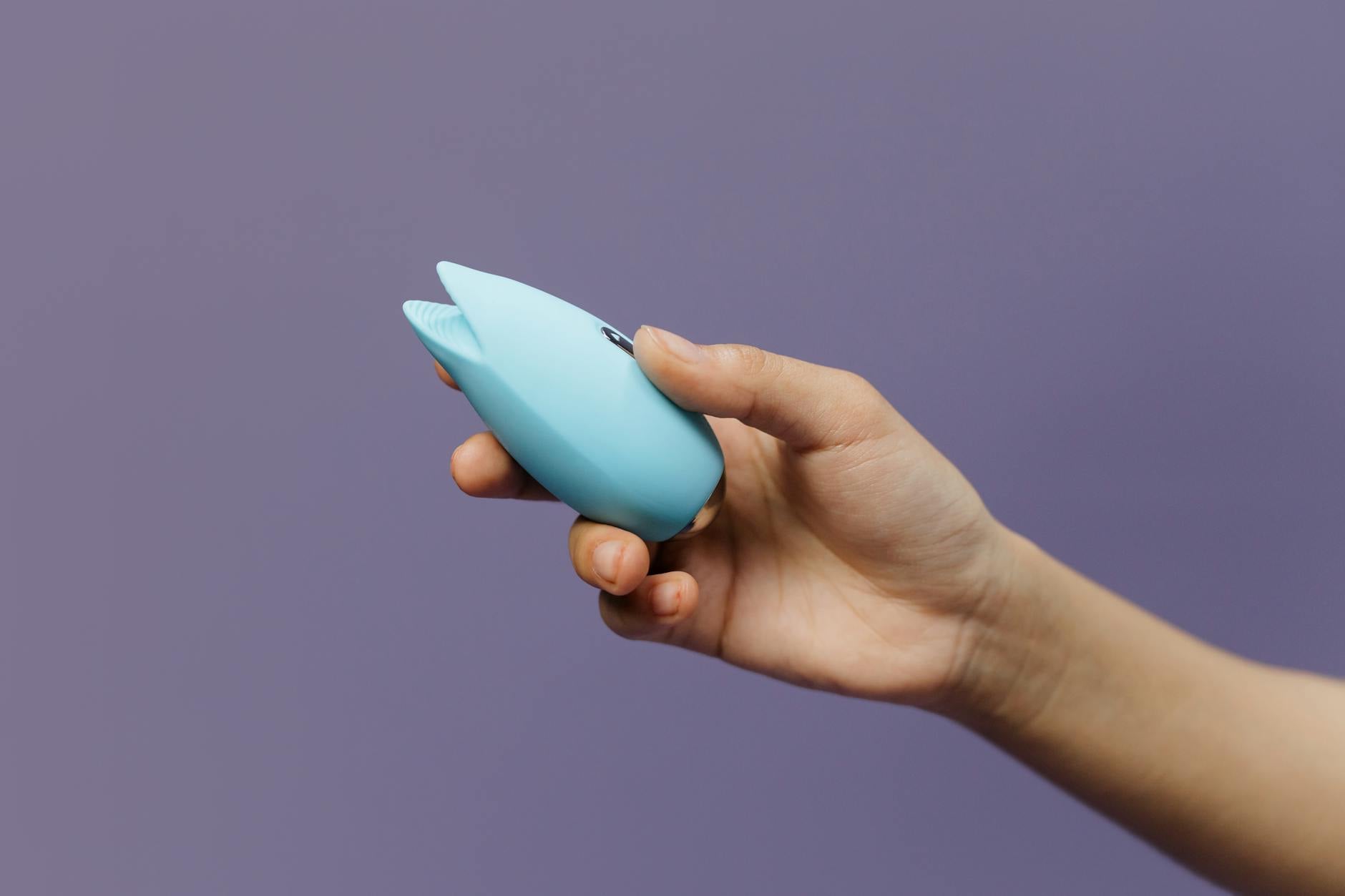
How Long Does It Take for Lemon Vibrators to Feel Natural
Most people feel genuinely comfortable with lemon clitoral vibrators within 3 to 5 uses. Here's what happens during that adjustment window and how to make the curve smoother.
The first time you use a lemon clitoral vibrator, your brain is doing three jobs at once. It's processing the physical sensation, managing a little anxiety, and trying to figure out whether you're "doing it right." That cognitive overload is normal and it fades faster than you'd think.
Most people move from "this feels strange" to "this feels amazing" in about three to five sessions. Not because the toy changes, but because your nervous system settles and your body learns to trust what's happening.
Your initial experience with a lemon vibrator isn't a performance. It's research. You're collecting data on how your body responds to suction, intensity patterns, and different positioning. That mindset shift alone removes a lot of pressure.
During that first use, you'll likely notice a few things. The sensation is different from other toys you might have tried. Clitoral suction works in layers. You feel the initial contact, then the build, then the concentrated pull. If you've only used traditional vibrators, your nervous system might take a beat to decode what's actually pleasurable versus what just feels novel.
That's not a flaw in the toy or in you. That's your brain catching up to new input. Many people also report that the first session feels shorter than it actually was. You're focused, the time disappears, and then you're done. That's actually a good sign. Your nervous system was engaged.
Sessions 1-2: Novelty phase. Everything feels a bit intense or unfamiliar. You might feel self-conscious or wonder if you're using it "correctly." Your pelvic floor might be slightly tense because your body is protecting itself from new sensation. Pleasure is usually present, but it's wrapped up with curiosity and a little mental noise.
Sessions 3-4: Recognition phase. By the third or fourth use, your brain stops asking "what is this?" and starts asking "how do I want more of this?" You'll notice you're more relaxed. Your breathing is easier. You might find yourself adjusting positioning without overthinking it. Many people experience their first truly intense orgasm during this window because the mental resistance has dropped.
Session 5+: Integration phase. The lemon vibrator stops feeling like a tool and starts feeling like an extension of what you already know your body wants. You're not thinking about whether you're doing it right. You're thinking about what you want. That's the moment everything changes.
First, your clitoral tissue is incredibly responsive. The clitoris has 8,000 nerve endings concentrated in a tiny area. Your body is literally designed to recognize and respond to specialized sensation. A lemon vibrator creates suction rather than traditional vibration, which hits different nerve pathways. Your tissue recognizes that immediately, even if your brain takes a few sessions to trust it.
Second, neuroplasticity works quickly. Your brain's ability to integrate new sensations doesn't take months. It takes days. By session three or four, the neural pathways associated with that specific sensation are already being reinforced. You stop being defensive and start being open. That shift creates a positive feedback loop where pleasure builds faster because you're not fighting your own nervousness.
Third, you're learning an intuitive skill, not a complicated one. There's no wrong way to use a lemon clitoral vibrator. If something feels good, it is good. Your body's feedback is immediate and honest. That removes the performance anxiety that slows down other kinds of learning. You're not passing a test. You're just paying attention to what you want.
If you want to speed up the comfort curve, a few things actually help.
Create a low-pressure environment. Set aside time when you're not rushed, not thinking about anything else, and not performing for anyone. That 15 to 20 minute window where your only job is to pay attention to sensation shrinks the adjustment timeline dramatically. Rushed sessions stretch it out.
Start with a lower intensity pattern. Most lemon vibrators, including the Hello Nancy Lemon, have graduated patterns. Begin at pattern one or two. Let your tissue acclimate to the sensation. You can build intensity once you're comfortable with the basic feeling. Starting at full power is like learning to drive by doing highway speeds. Technically possible, but less efficient.
Use water-based lubricant. This isn't because you need to. It's because a little lubrication helps the suction work more smoothly and makes the entire experience feel less clinical. It also reduces any micro-friction that might feel uncomfortable during the first session or two. This small thing normalizes the experience faster.
Disconnect orgasm from success. A lot of people assume they're doing something wrong if they don't come the first time they use a lemon vibrator. Sometimes you won't. Sometimes you will and it'll surprise you. Both are fine. The adjustment period is about your body learning to respond to the sensation, not about achieving a specific outcome on a timeline. Remove that goal and comfort arrives faster.
Most people feel genuinely comfortable within five uses. Some people take eight or ten. That's still totally normal. A few factors can extend the curve.
If you tend to carry tension in your pelvic floor, you might need a few extra sessions to relax into new sensation. Kegel exercises actually work against you here. During those first few sessions, focus on releasing rather than strengthening. Let your pelvic floor be soft.
If you're using a lemon vibrator while anxious about your body or your right to pleasure, that mental noise will extend the adjustment period. This is where the self-talk matters. You deserve this. Your pleasure matters. Those aren't affirmations. They're facts. Accepting them makes everything feel less awkward faster.
If you have a history of painful sex or trauma, the adjustment timeline is real and it's different. That's not a barrier. It just means you might need a couple of extra sessions, more patience with yourself, and potentially some external support. A therapist who understands sexual recovery can help you move through that window more smoothly.
The reason I'm telling you this timeline isn't just to let you know what to expect. It's because a lot of people abandon a tool during the adjustment phase thinking it doesn't work for them. They try it once or twice, it feels strange, and they assume they're not a person who enjoys that kind of stimulation.
That's like trying a new food once and deciding you hate it. You haven't actually had time for your nervous system to integrate the sensation. You're judging based on unfamiliarity, not on actual incompatibility.
Give yourself permission to have an adjustment period. Your body isn't broken if the first session feels awkward. Your body is learning something new. That process takes three to five sessions and then everything clicks. After that, the lemon vibrator becomes part of how you know yourself. You stop thinking about whether it's right. You just use what works.
How do I know if a lemon vibrator is right for me if I've never used one before?
The only way to know is to try it. Most people report that lemon clitoral vibrators feel more intense and more focused than traditional vibrators. If you prefer targeted sensation over broad stimulation, you'll probably love it. If you're sensitive and prefer lighter touch, you can start on lower patterns and build up. The adjustment period is designed for exploration, not for proving anything.
Can I speed up the adjustment period?
Yes. Lower intensity patterns, lubrication, adequate time, and mental permission all compress the timeline. You're not making the toy work faster. You're removing the obstacles that slow down your body's natural ability to respond. Most people who implement all of these move from uncomfortable to confident in three sessions instead of five.
What if I still feel weird about it after five uses?
That's information too. Some people prefer the sensation of traditional vibrators. Some people prefer other kinds of stimulation altogether. That's not a failure. That's your body telling you what it actually wants. The adjustment period helps you figure out if the weirdness is normal integration or genuine incompatibility. After five sessions, you'll know which one it is.
Does the adjustment period differ if I'm using a lemon vibrator with a partner?
Yes. The adjustment often takes slightly longer because you're managing an additional variable: someone else's presence. When you're solo, you're only managing your own comfort and sensation. With a partner, you might feel self-conscious or performance pressure. Give yourself permission to use it alone first, get comfortable, and then explore it with your partner once you're confident. That two-step approach actually deepens partner play because you're not learning the tool and managing their reaction at the same time.
Is the adjustment period different if I've used other clitoral vibrators before?
Slightly. Your body already knows what clitoral sensation feels like, which compresses part of the learning curve. You're really just learning the specific pattern of suction. That sometimes happens in one or two sessions instead of three to five. But some people need the full timeline anyway because the suction sensation is genuinely different from their previous experience. There's no shortcut to your body's natural processing.
What should I do if I experience discomfort during adjustment?
Discomfort is different from unfamiliarity. Unfamiliarity feels strange. Discomfort feels sharp or painful. If you're experiencing genuine pain, stop. Lower the intensity. Use more lubricant. Take a break. If the discomfort persists, that might be a sign that you need to work with a pelvic floor specialist or that this particular toy isn't the right fit. Your body's pain signal is important information.
Three to five sessions is the adjustment window for most people. Some move faster. Some move slower. What matters is that you're not judging based on session one. Your nervous system is smart. It recognizes good sensation quickly. But it also needs time to move from "this is new" to "this is mine." That shift doesn't take weeks. It takes days of actual use. You'll know it's happened when you stop thinking about the tool and start thinking about what you want. That's when the lemon vibrator becomes genuinely useful to you.