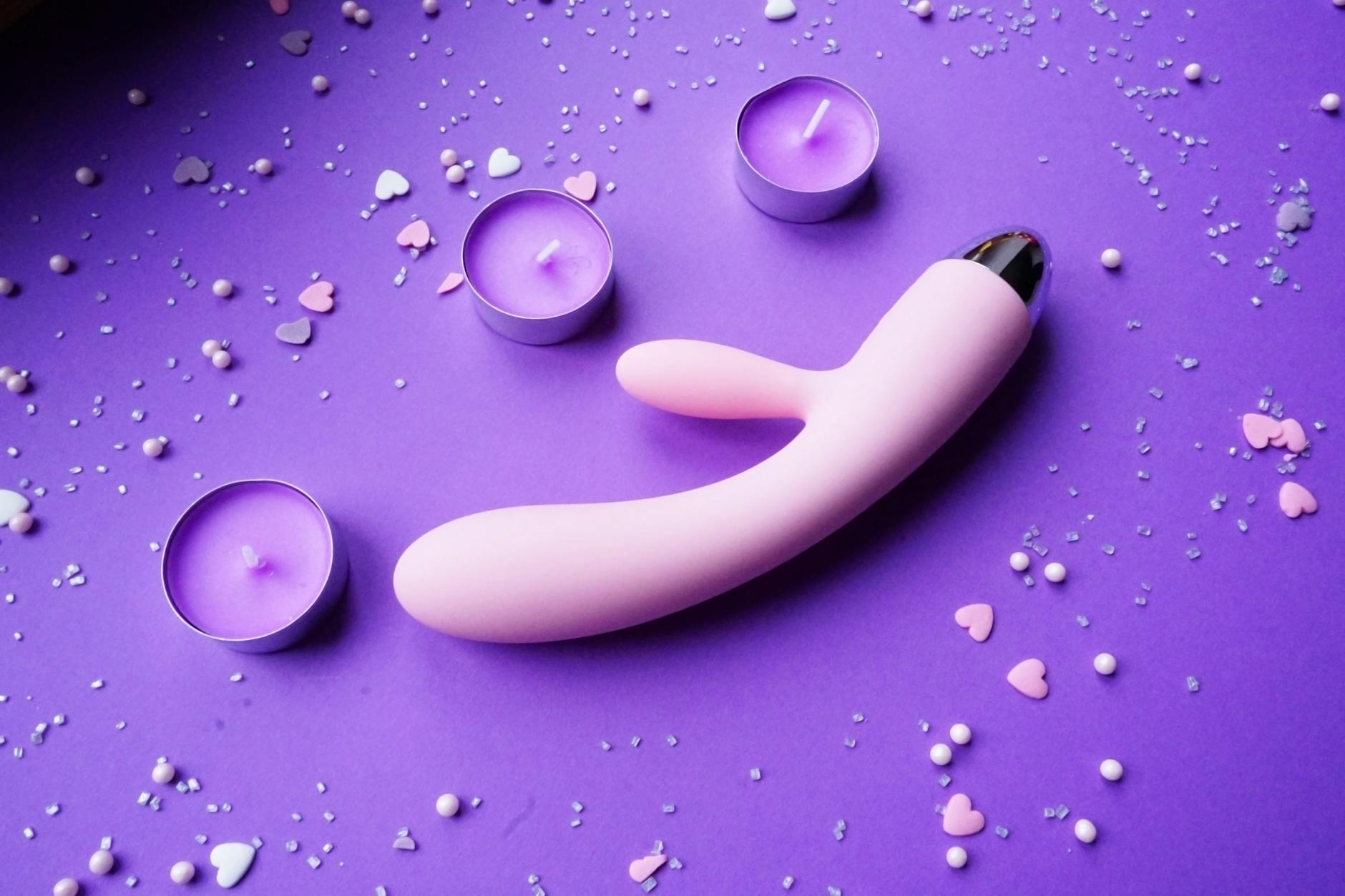
How Lemon Vibrators Improve Sensation After Pelvic Floor Dysfunction
Pelvic floor tension numbs pleasure. Learn how lemon clitoral vibrators help rewire your nervous system, restore sensitivity, and rebuild arousal after tightness or trauma.
Here's what nobody tells you: your pelvic floor can completely block pleasure, even when you desperately want to feel something. It's not laziness. It's not broken wiring. It's a locked door that your nervous system built for protection.
When your pelvic floor is tight or traumatized, sensation gets trapped upstream. Arousal signals bounce back. Orgasms flatten or vanish entirely. And the harder you try to force pleasure, the tighter everything gets. It's a vicious loop, and it's wildly common after childbirth, sexual trauma, chronic pain, or even just years of anxiety living in your hips.
The good news: lemon vibrators, with their precise suction action and gentle sustained pressure, can help retrain your nervous system. They work differently than other clitoral toys, which makes them uniquely useful for pelvic floor recovery.
Your pelvic floor is a muscle hammock that holds up your uterus, bladder, and bowel. When it's healthy, it contracts and releases like any other muscle. But when you've been hurt, stressed, or triggered, it learns to clench and hold. Some people call it "vaginismus." Others call it "tension." The label doesn't matter. The effect is identical: sensation gets throttled.
Tight pelvic floor muscles compress the pudendal nerve, which runs through your pelvic region and carries arousal signals to your clitoris. When that nerve is being squeezed, the messages from your toy feel muted, distant, or sometimes completely absent. It's like trying to hear someone through a closed door and layers of insulation. Logically, you know something is touching you. Neurologically, you can barely feel it.
The frustration is that mental effort makes it worse. Telling yourself to relax triggers the opposite response. Your nervous system interprets your attempt to force pleasure as a threat, which ramps up the clenching further.
Most vibrators rely on vibration frequency to stimulate the clitoris. A lemon vibrator uses air-pulse suction technology instead. The distinction matters profoundly for pelvic floor recovery.
When you use a standard vibrator on tight pelvic floor tissue, the vibration can feel scratchy, intense, or even painful. It's like knocking on the door when someone just wants to talk. But lemon clitoral vibrators apply a gentle, rhythmic suction that doesn't demand the tissue to do anything. There's no aggressive friction. There's no requirement to tense or relax. The suction simply sits there, rhythmically encouraging blood flow and awakening sensation without force.
This creates what I call "nervous system permission." Your body isn't being attacked. It's being invited. Over time, repeated gentle invitations retrain your nervous system to interpret clitoral touch as safe, which gradually allows the pelvic floor to soften.
Most of my clients find that lemon vibrators feel more tolerable in early recovery than traditional vibrators, precisely because the sensation is gentle and contained rather than diffuse and jarring.
When you start using a lemon vibrator after pelvic floor dysfunction, expect the first few sessions to feel like almost nothing. That's not failure. That's your nervous system checking to see if it's safe. Keep going.
Here's roughly what the timeline looks like, though everyone is different:
Week 1-2: You feel pressure or mild tingling. Not pleasure yet. Just awareness that something is happening.
Week 3-4: Sensation begins to shift from "pressure" to "that feels kind of interesting." Arousal might start building, but slowly and tentatively.
Week 5-8: If you're using the vibrator regularly (3-4 times per week, 10-15 minutes), many people report that arousal builds faster and sensation feels more vivid. Orgasms might appear, though they often feel different from what you remember.
Week 8+: For some, sensation fully recovers. For others, it plateaus at "better than before but not quite what I want." Both are normal and valid.
The key is consistency without pressure. Use your lemon vibrator the same way you'd practice physical therapy. Show up. Follow the protocol. Don't grade yourself.
Start at the lowest intensity setting. Even if it feels like nothing, resist the urge to jump to intensity level 5. Your nervous system is learning. Slow teaching beats fast forcing every single time.
Use lubrication, even if you're aroused. After pelvic floor dysfunction, tissue often needs extra glide. Water-based lube (never silicone with lemon toys) helps the suction work smoothly and makes the whole experience feel less clinical.
Warm up your body first. Take a shower. Do some gentle stretching. Literally get warm. Cold tissue is tight tissue. When your core temperature rises, your nervous system softens.
Set a timer for 12-15 minutes. That's long enough for real change without being so long that you're white-knuckling the experience. Consistency over length.
Stop if anything hurts. Sensation returning is productive. Pain is not. Pain tells your nervous system to lock down harder.
If you've been diagnosed with pelvic floor dysfunction, the gold standard treatment is physical therapy with a pelvic floor specialist. (It's real medicine. Insurance usually covers it.) A skilled PT can identify where your tension lives and give you targeted exercises to release it.
Lemon vibrators pair beautifully with that work. Your PT might tell you to use your vibrator at home between sessions, specifically to retrain your body's response to touch. That's not a nice addition. That's part of the treatment protocol.
The combination works because the PT addresses the muscular holding pattern, while the lemon vibrator addresses the nervous system's learned fear of sensation. Together, they create real change.
"Will it make me more numb?" No. Sensation returns through gentle, repeated exposure to safe touch. Your lemon vibrator provides that. If anything, avoidance makes numbness worse because your nervous system never learns that pleasure is possible.
"What if I still can't orgasm?" Some people regain orgasms quickly. Others find that sensation returns before orgasms do. Both are normal. The point of early recovery isn't orgasm. It's rebuilding the capacity to feel at all.
"Does this mean I'm broken?" Your pelvic floor learned to protect you. That's not broken. That's smart nervous system work on outdated instructions. Lemon vibrators help you update those instructions.
If you have a partner, there's often pressure to resume "normal" sex while you're in recovery. Resist that. Use your early lemon vibrator sessions solo, so your nervous system isn't managing both your own sensation and their experience simultaneously.
Once you're feeling sensation more reliably (usually around week 5-6), you can introduce your partner to your vibrator as part of foreplay. But let them watch. Let them understand. "This is helping my nervous system learn that touch is safe." A partner who gets it can be genuinely helpful. A partner who turns it into pressure is counterproductive.
Sometimes sensation returns halfway, then stalls. That's common and usually means your nervous system needs a different input. At that point, it's worth checking in with your pelvic floor PT or a sex therapist who specializes in trauma. They can help you identify whether the plateau is physical (tight pelvic floor still needs work) or psychological (old protective patterns are still active).
Lemon vibrators are a powerful tool for rebuilding sensation. They're not a complete solution for everyone. But for most people recovering from pelvic floor dysfunction, they're the gentlest way to teach your nervous system that pleasure is possible again.
Every nervous system is different. Some people notice shifts in 2-3 weeks. Others take 8-12 weeks. What matters is showing up consistently, not the speed of return. If you're not seeing any change after 12 weeks of regular use, check in with a pelvic floor specialist to rule out ongoing physical tightness.
Completely normal. Your nervous system is skeptical. It's checking to see if this is safe. Keep using it gently and consistently. Sensation is usually the last thing to return, not the first.
Yes, but not as a replacement for the pelvic floor work. Early in recovery, solo use with a lemon vibrator is more valuable because you're only managing your own nervous system response. Later, once sensation is more reliable, you can integrate it into partnered sex.
The suction mechanism is what makes lemon vibrators uniquely gentle. Whether it's a dedicated lemon sucker or a broader lemon clitoral vibrator, the air-pulse technology is the key feature for pelvic floor recovery. Choose based on what feels comfortable to hold and use.
Back up. Lower the intensity. Use more lube. Shorten the session. If it's still uncomfortable after those adjustments, talk to your pelvic floor PT. Sometimes tissue needs more physical therapy before vibrator use. That's not failure. That's the right sequencing.
Yes, but slowly and with full control. Trauma lives in the nervous system, and pelvic floor dysfunction is a common trauma response. Using a lemon vibrator at a pace you set, at intensity you choose, helps rebuild agency and safety. If it triggers flashbacks or dissociation, pause and work with a trauma-informed therapist before continuing.
Pelvic floor dysfunction is real, it's treatable, and sensation can come back. Lemon vibrators are one of the most effective tools I've seen for helping people reconnect with pleasure after pelvic floor trauma. Not because they're magic. But because they apply consistent, gentle stimulation without judgment, without force, and without pressure to perform.
Your nervous system is learning. Give it time. Keep showing up. Pleasure is on the other side of this.
If you need more support beyond vibrators, pelvic floor specialists and trauma-informed sex therapists are real professionals who can help. Find them and lean on them. Your recovery matters.