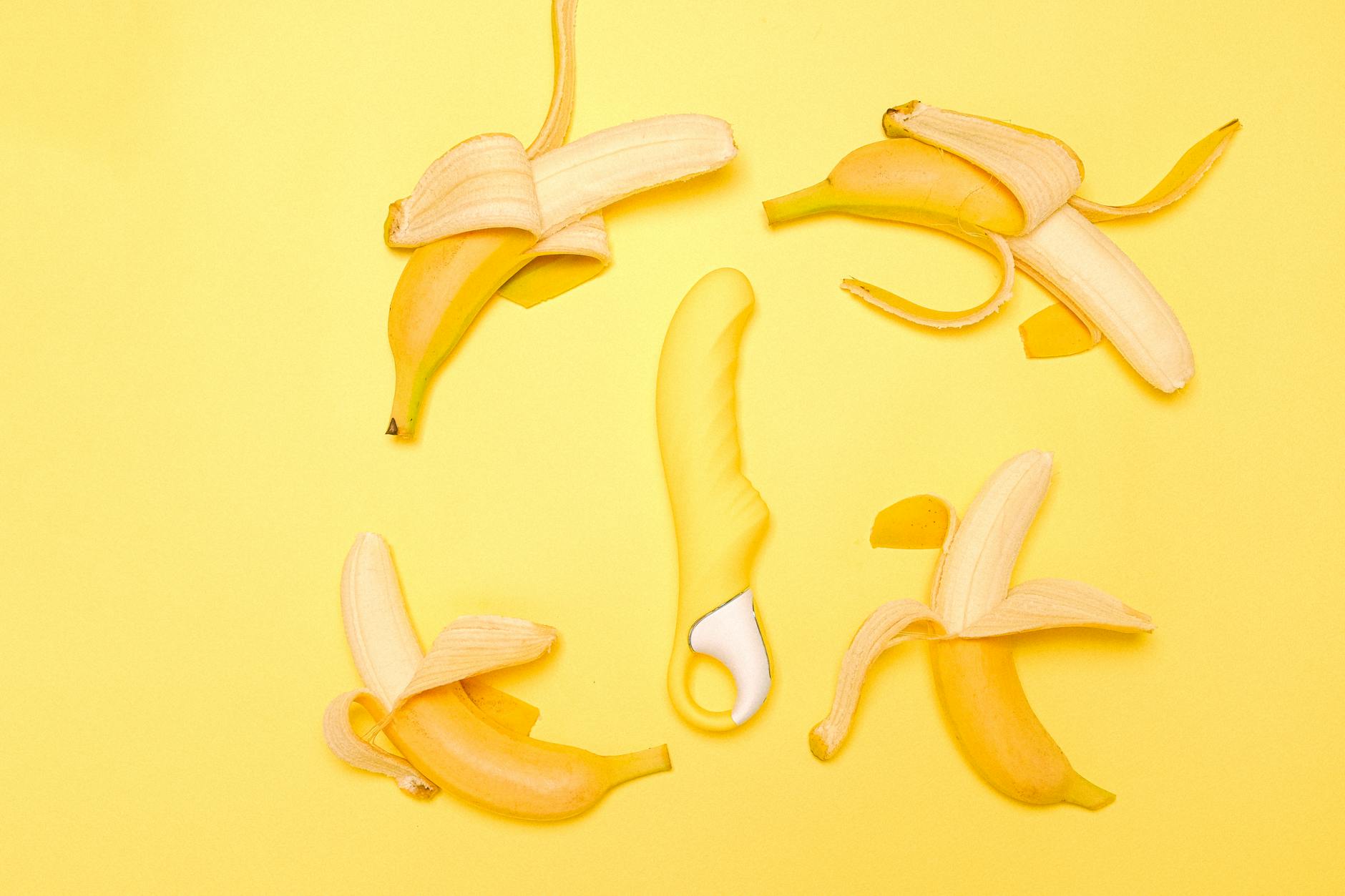
You've been using vibrators for years, maybe a decade or longer. They used to feel amazing. Lately, they feel like... not much of anything. That flat, numb sensation where there used to be electricity. It's not in your head, and it's not permanent.
Here's the honest mechanics: the clitoris has roughly 8,000 nerve endings, most of them concentrated in the glans (the visible tip). These nerves respond to stimulation by firing electrical signals to your brain. When you use the same type of vibration at the same intensity for years, those nerves adapt. This is called habituation.
Your nervous system is trying to protect you. It says, "This input is constant, it's not a threat, dial down the response." The receptors become less reactive. You need more intensity, more frequency, more sensation to get the same effect. It's the exact same mechanism that makes caffeine feel weaker after months of daily use.
The catch: as you chase more intensity, you can push the desensitization further. It becomes a cycle.
But here's what matters: this is neurological adaptation, not tissue damage. Your sensitivity didn't go anywhere. It's just sleeping.
Three things tend to happen together, and breaking even one of them helps:
Using the same vibration pattern and intensity every time. If you've relied on one specific setting (say, pattern 5 on your toy), your nerves have become expert at ignoring it. Switching to a completely different sensation wakes them up.
Daily or near-daily use without breaks. This prevents your nervous system from ever resetting. The nerves stay in low-response mode.
Chasing higher intensity to feel something. This temporarily works, but it accelerates the adaptation cycle. You're training your body to need increasingly stronger stimulus.
I know this sounds brutal, but 2-4 weeks without any vibrator use lets your nervous system reset. This isn't forever. It's a reset button. During this time, explore non-vibrator sensation: fingers, touch, manual stimulation, temperature play. Let your clitoris remember what other kinds of input feel like.
If a full break feels impossible, you can do a partial break: use a vibrator once a week instead of daily, and explore other stimulation the rest of the time.
If you've been using a standard buzzy vibrator, try a lemon-shaped clitoral vibrator with pulsing or suction patterns instead. The lemon's shape and diffuse pressure point feel completely different than a bullet or wand. Your nerves have never adapted to that specific input, so sensation comes back fast.
Alternatively, if you've always used suction-based toys, switch to a vibrator with gentler, slower vibrations. The novelty itself is therapeutic.
Once you restart, begin at the lowest setting. Your instinct will be to crank it because "it's not working." Don't. Stay at 1 or 2 for multiple sessions. Pay attention to micro-sensations: the hum itself, the pressure, the texture of whatever toy you're using. This focused attention rewires your brain's pleasure response.
This is not about forcing yourself to enjoy it. It's about teaching your nervous system that subtle input matters.
Most modern lemon vibrators and clitoral vibrators have multiple patterns. Rotate through them. Never settle into one favorite. Variation prevents adaptation. If you're using a simple vibrator, just vary the pressure you apply and the angle of contact.
The Lemon's design matters here. The rounded, broader head distributes sensation across a wider nerve area instead of concentrating intensity on one point. This means:
You can get pleasure at lower overall intensity. The suction-based action (if using a suction model) activates different nerve pathways than buzz alone. The shape itself is novel input if you've been using bullets or wands.
When you're rebuilding sensitivity, a toy that works at lower intensities and activates multiple nerve types is genuinely therapeutic.
Most people notice a shift within 1-2 weeks of reduced use and pattern variation. By week 4-6, sensation often feels visibly different. By week 8-12, many report that their best orgasms are back.
But this isn't linear. Some days will feel flat again. That's normal. Your nervous system is rewiring.
If you're rebuilding sensitivity after years of heavy use, patience isn't optional. It's the tool.
Once basic sensation starts returning, you can layer in other things:
Mental presence. Most desensitization is partly habit and partly nervous system adaptation. Redirecting your attention to physical sensation instead of autopilot makes pleasure feel bigger.
Manual stimulation alongside the vibrator. This combines types of input and prevents over-reliance on any single sensation.
Timing changes. If you've always used vibrators at night on autopilot, try using them when you're already aroused, in a different location, at a different time of day.
So much of pleasure is context. Changing context forces your brain and body to pay attention again.
If you're in your 40s or older, clitoral desensitization might not be purely mechanical. You could be experiencing the combined effect of vibrator adaptation plus hormone shifts. Estrogen affects nerve sensitivity directly. Testosterone affects desire and genital blood flow.
If you've tried the rebuild strategies and sensation is still not returning after 8-12 weeks, it's worth asking a menopause-informed doctor whether hormone changes are part of the equation. Often the answer is yes, and there are options.
Sometimes desensitization is partly psychological. You've been relying on the same toy and same routine so long that your brain has checked out. The sensation is there, but attention isn't.
If that's you, the rebuild isn't just about novelty. It's about genuinely paying attention. Slowing down. Treating your body like someone who wants to be present is seducing you, not like a task to complete.
That shift, weirdly, is sometimes the bigger change than any vibrator swap.
Most people feel noticeable improvement within 4-6 weeks of reduced use and pattern variation. Full restoration can take 8-12 weeks. The timeline depends on how long the desensitization developed. If you've been using intense vibration daily for 5 years, recovery takes longer than if it's been 6 months.
No. The clitoris is resilient. Desensitization is neurological adaptation, not tissue damage. It reverses. The only genuine risk is if you're using something with sharp edges or extreme pressure that causes visible irritation. A well-designed vibrator won't do that. The lemon vibrator's smooth, rounded design specifically minimizes this risk.
Completely normal. Your nervous system adapts to consistent input. Taking 2-4 weeks off is not a failure. It's a reset. Think of it like taking a break from coffee so caffeine works again. The break is the tool, not the problem.
Both help. The single biggest factor is switching away from your habitual pattern. If you can do that with your current toy, great. But trying a genuinely different type of vibration (like moving to a lemon clitoral vibrator if you've always used a wand, or vice versa) speeds recovery. Novelty itself is healing.
You might need a longer break. Some people need 6-8 weeks for full reset, especially if desensitization developed over many years. Or you might benefit from exploring non-vibrator stimulation for a while. Manual touch, fingers, temperature play. Give your nervous system multiple types of input. If numbness persists beyond 8-12 weeks despite these changes, consider checking in with a sexual health provider. Sometimes desensitization is paired with other factors (hormonal, circulatory, nerve-related) that benefit from professional assessment.
Yes, especially if it's a different type of stimulation than what caused the desensitization in the first place. The lemon's design and (if applicable) suction-based action activate different nerve pathways. It often feels fresher to someone rebuilding sensitivity than their previous toy did. Just keep the intensity low while you're resetting.
Clitoral desensitization is temporary. Your nervous system adapted, and it will readapt. The rebuild takes intention and patience, but it works. Most people who take a real break and vary their stimulation find that pleasure comes back stronger than before, because they're paying attention in a way they weren't when sensation was on autopilot.
If you're in this cycle right now, you're not broken. You're just ready for something different.
Want to talk through your specific situation? Reach out to us.