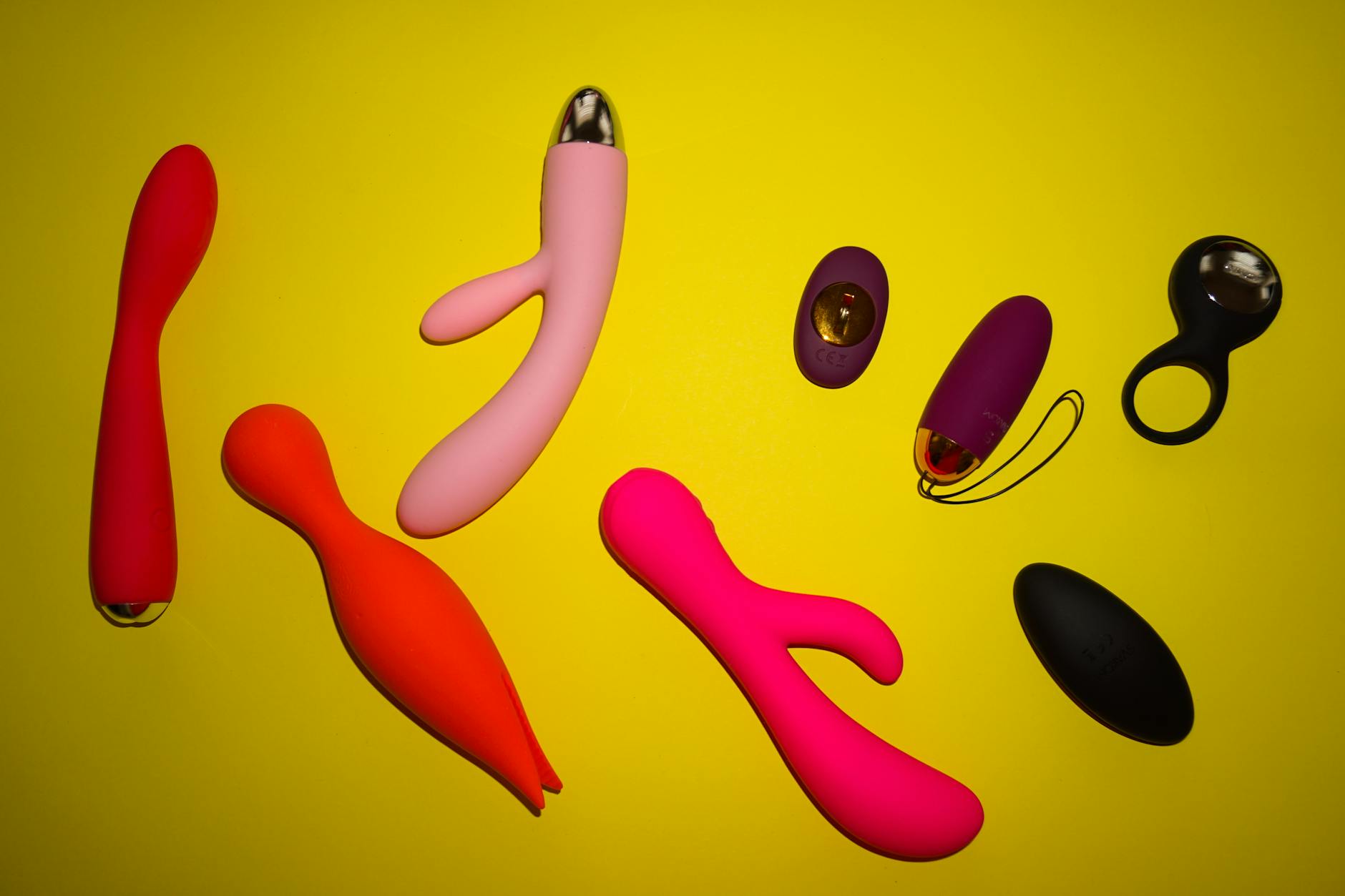
How Lemon Vibrators Help When You Have a New Partner and Don't Want to Overshare
Starting fresh with someone new means figuring out pleasure on your own terms first. Here's how lemon clitoral vibrators let you build confidence before the conversation.
You're three months into something that actually feels good. Your new partner is attentive, curious, the sex is solid. But there's this thing you know about yourself. You know what gets you there reliably. You know what your body needs to orgasm, and it's not something that just happens from penetration or manual stimulation alone. And you're sitting with a question that feels weirdly loaded for month three: do you tell them about vibrators, or do you figure this out quietly on your own first?
Let's be real. That hesitation is completely normal. Early relationships have an unspoken pressure to seem naturally compatible, sexually effortless, like your bodies were just made to fit together. Introducing a tool can feel like admitting you're not satisfied, that something's missing, that you're higher maintenance than the story you've been quietly telling.
It's not true, but the feeling is real. And that's exactly when a lemon vibrator becomes genuinely useful for more than just pleasure. It becomes a way to reclaim your pleasure on your timeline, not on the relationship's timeline.
Here's something most relationship advice skips over. When you first get together, sex is often tangled up with bonding, novelty, and the nervous system's joy at having a new person touching you. That's beautiful, but it's not the whole picture of what your body actually needs to feel good.
Solo exploration gives you something a new partner can't. It gives you data. What patterns of stimulation actually bring you to orgasm? How long does warm-up really take when you're not anxious about being too slow? What intensity level makes your body feel safe and turned on? When you know that information, you know what to ask for.
More importantly, you know what's real. You know whether the friction you're feeling isn't enough because your body needs clitoral focus, or because you're nervous, or because you're in your head about how you look. You know if a lemon vibrator actually works for you, or if it's just a tool that feels nice but doesn't move you toward orgasm. That knowledge changes everything about how you talk to a partner.
A lemon vibrator works through suction and gentle pulsation rather than straight vibration. That design does something really useful for someone who hasn't used toys in their current body or with their current partner yet. It doesn't feel like an aggressive addition to your pleasure. It feels like an enhancement of something that already works.
When you use a lemon clitoral vibrator solo, you're not introducing a massive variable into coupled sex. You're learning your own baseline. What happens when you know, specifically, that you come fastest with a gentle suction pattern and about fifteen minutes of warm-up? Suddenly you're not anxious in partnered sex. You're not wondering if you're the problem.
You know you're not. You're just someone whose body works a certain way. And when you know that with certainty, the conversation with your partner stops being "I'm not satisfied, can we try something?" and becomes "Here's something I love. Want to try it together?" That's a completely different energy.
I recommend three to four weeks of solo exploration before introducing a toy to your new partner. That's long enough to get comfortable with how the toy feels in your body, to figure out your preferred settings, to notice patterns. It's not so long that it feels like you're hiding something.
During this phase, use a lemon vibrator the way you would alone at any point in your life. No performance, no stories about whether this should work quickly or slowly. Just your body, the toy, and time. Notice what you like. Notice what intensity feels good. Notice whether you prefer it at the start of solo time or once you're already aroused.
This is where solo exploration gets really honest. Maybe a lemon vibrator turns out to be absolutely essential. Maybe it's nice but optional. Maybe you realize you actually come fine without it, and you were just curious. All of those are useful information.
The biggest mistake people make is waiting too long to mention vibrators, then treating it like a confession. "I have something I want to show you," said with this weight behind it, makes it sound scandalous when it's just a toy.
The cleaner approach is to weave it in naturally once you feel stable enough that the relationship doesn't feel like it's on trial anymore. That's different for everyone. For some people it's month three. For others, month five or six. You'll know it when you feel it. It's when you've had a conversation about something slightly vulnerable and it went fine. When you've laughed about something awkward together.
Then you mention it the way you'd mention anything you like. "I've been using a lemon vibrator solo, and I really like it. I'd love to try it together if you're interested." That's it. No apology, no explanation, no narrative about what it means about your body or the sex you're having.
Last thing. Make sure you're not introducing the vibrator because you're trying to fix something. If you're using it because you genuinely enjoy it and want to share that, great. If you're using it because you feel like you have to come a certain way for your partner to be satisfied, that's a different conversation that needs to happen before the toy comes into the picture.
Some people come into new relationships with anxiety about toys. They worry it means they're not enough, or that you prefer it to them, or that you're not "normal." That anxiety usually isn't about you. It's about their own relationship history or beliefs about sex.
Here's what I tell couples in this situation. A lemon vibrator isn't a replacement for your partner. It's not even about your partner. It's about what your body needs. You wouldn't apologize for needing foreplay or for liking a certain position. A toy is in the same category.
If your partner remains uncomfortable after a calm conversation, that's information. It doesn't mean the relationship is doomed, but it does mean you have a values conversation to have. Can you both compromise on something that meets both of your comfort levels? Does your partner need to learn more about how toys actually work in partnered sex? Or is this a fundamental misalignment that matters.
That's harder than just using the toy quietly. But it's also healthier in the long run than hiding something that brings you pleasure because someone else has feelings about it.
Here's the thing nobody says clearly. Using a lemon vibrator solo doesn't end once your partner knows about it. Ongoing solo exploration is part of maintaining your own sexual self in a relationship. It's not a phase. It's just part of having pleasure that belongs to you.
When you have a new partner, building that habit early matters. It means you don't lose track of what your body actually likes. It means if the relationship changes later, if arousal takes longer or your body shifts, you already have a practice in place for figuring out what that means.
Solo pleasure with a lemon vibrator isn't about your partner not being enough. It's about you knowing enough.
Once you've used a lemon vibrator on your own and you've mentioned it to your partner, the step into using it together is surprisingly straightforward. Some partners want to apply it. Some want to be present while you use it. Some want you to use it during partnered sex.
It doesn't matter which. The point is that you've already done the hard part. You've done the solo work. You know how your body responds. You know what you like. Now you're just inviting your partner to witness and participate in something you already understand.
That changes the whole dynamic. You're not introducing something new and hoping it fixes a problem. You're sharing something you've already explored and integrated. That's a completely different conversation.
Not even a little bit. Solo pleasure isn't a replacement for partnered sex. It's information gathering. Using a lemon clitoral vibrator by yourself tells you what your body actually needs, which makes partnered sex better, not worse. Most therapists recommend it specifically because it builds confidence and self-knowledge.
There's no magic timeline, but three to four months is usually the sweet spot. By then the relationship has some stability, and you've had conversations about other slightly vulnerable stuff. You'll feel when the moment's right. It's not something that needs to happen immediately, but it also shouldn't feel like a secret after a few months.
A lemon vibrator is actually perfect for that. Start on the lowest setting, give yourself time to warm up first, and go slowly. There's no rush. The point is to explore what your body likes, not to force anything to happen on a timeline. Solo exploration is supposed to feel good, not pressured.
You can, but it's usually easier to introduce solo first. That way you both know how it works in your body before trying to coordinate it with a partner. Once you've used it alone and your partner knows you love it, adding it to partnered sex is often exciting rather than awkward.
That's a sign of a deeper compatibility issue. You're not asking your partner to use a vibrator. You're asking them to accept that you do. If someone can't get there, that's information about whether you want to stay in that relationship. There are plenty of partners who think lemon vibrators are hot.
Keep it simple. "I use a vibrator solo and it's really important to my pleasure. I'd love to explore using it together too." You're not saying the sex isn't good. You're saying you want another dimension of pleasure. Those are different things.
New relationships come with a lot of performance pressure. You want to seem naturally compatible. You want sex to be effortless. But your actual body, your actual pleasure, doesn't work on that timeline. A lemon vibrator isn't a shortcut around getting to know your new partner. It's a shortcut to getting to know yourself again in this new context. And that self-knowledge is what makes real intimacy possible.