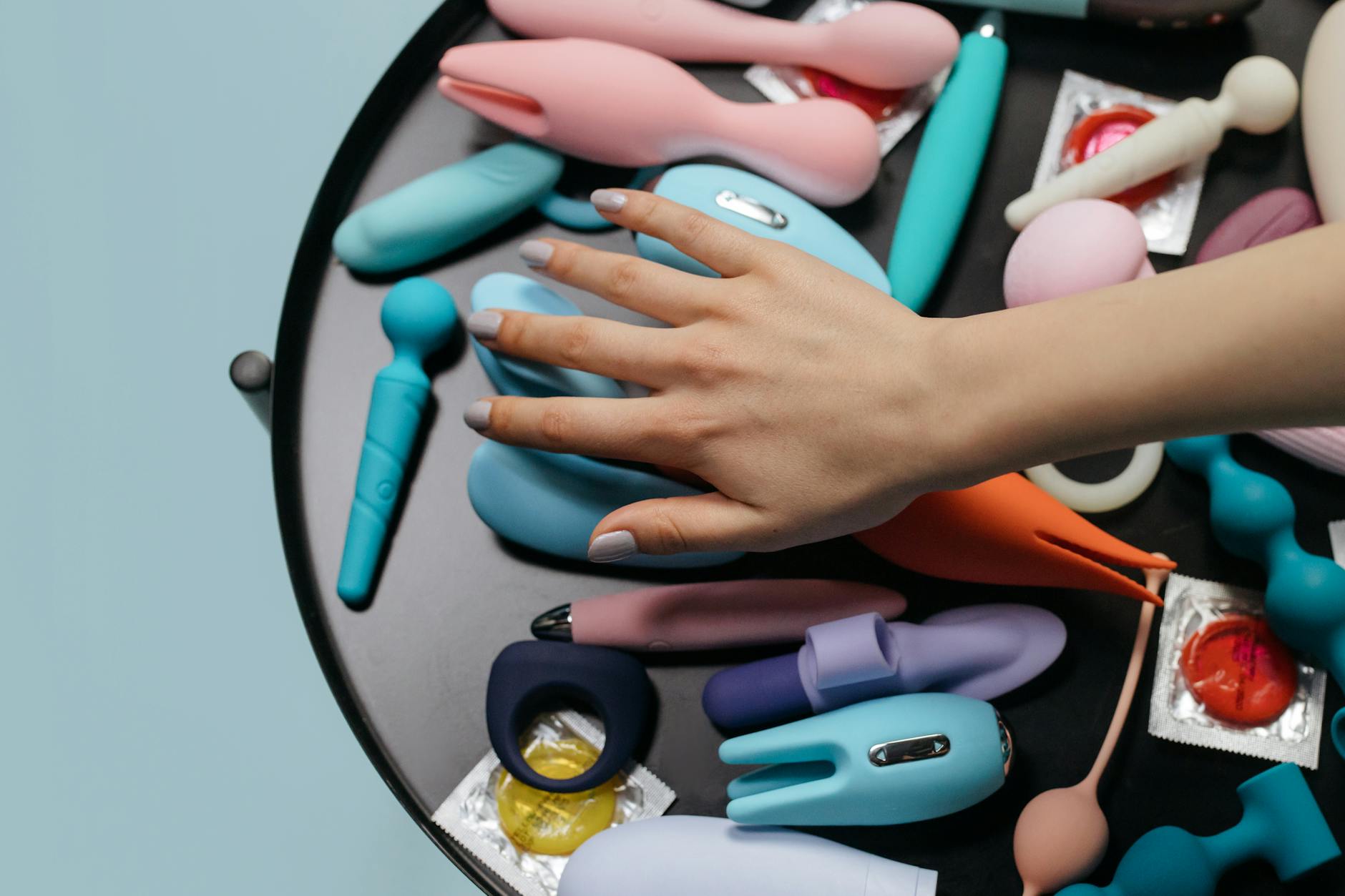
How Lemon Vibrators Help When You Feel Disconnected After a Partner's Medical Event
When your partner faces surgery, illness, or recovery, intimacy stalls. Here's how lemon clitoral vibrators rebuild pleasure and emotional closeness without the pressure.
When your partner gets sick, gets injured, or goes under the knife, sex stops. Full stop. And for weeks or months, you're both in survival mode. Then one day your partner is on the mend and you realize you have no idea how to be intimate again. The awkwardness is thick. The pressure feels unbearable. And touching each other feels loaded with all the stuff that happened.
This is one of the most common disconnection points in long-term relationships, and it's also one of the easiest to get wrong because you're both terrified of hurting each other, saying the wrong thing, or asking for something that sounds selfish when your partner was just in a hospital gown.
Let's break down what's going on physiologically and emotionally when your partner is healing from a major health event.
First, your partner's nervous system is in hypervigilance. Pain, medication side effects, doctor visits, uncertainty about what's next. Their body isn't ready to be touched the way it used to be. They may feel vulnerable in ways that have nothing to do with shame but everything to do with feeling physically altered or fragile. Medications like painkillers or antibiotics can tank libido. Anesthesia leaves people foggy and touch-averse for weeks.
On your end, you've been in caregiver mode. You've bathed them, managed their meds, emptied bedpans, drove them to follow-ups. That role doesn't switch off just because they're recovering at home. Your nervous system has been locked in "protect mode" for so long that shifting back to desire feels almost impossible. You don't want to ask for sex when you've been their nurse. That's a genuine bind.
The gap widens when nobody talks about it. Weeks turn into months. Touch becomes fraught because the first time you try, it carries all this baggage.
Lemon clitoral vibrators are particularly useful here because they reframe pleasure as something you create for yourself, not something you negotiate with your partner or ask them to provide while they're still healing.
This matters because it removes the performance pressure. You're not asking your partner to "be ready." You're not creating a situation where they feel obligated to show up sexually before their body is genuinely available. Instead, you're signaling that your pleasure doesn't require them to be in a specific state. You can have joy while they recover. Those things can coexist.
Second, using a lemon clitoral vibrator solo creates something your partner can witness without participating. There's intimacy in being seen having pleasure. There's trust in being vulnerable that way. Many couples find that this becomes the bridge back to partnered intimacy, not because it rushes things, but because it reminds you both that desire still exists and it's worth tending to.
Third, the specific suction technology of lemon vibrators means you're not requiring extended foreplay or a partner who's physically capable of sustained stimulation while still recovering. When your partner is cleared for intimacy but still moves carefully, lemon sexual toys give you access to depth of sensation without needing their stamina or range of motion.
Before you use a lemon vibrator in any capacity, your partner needs to know it's coming. Not asking permission like a child, but giving a heads up. "I've been feeling disconnected and I want to start exploring my own pleasure again. I'm thinking about using a vibrator. I'd like you to know about it."
That's it. That sentence does three things. It names the disconnection (which your partner probably feels too). It positions pleasure as something you're rebuilding for yourself, not asking them to fix. And it invites them into the process without making it their responsibility.
If they want to be in the room, great. If they'd rather have privacy, that's fine too. Both are signs of a healthy restart. What matters is that you're talking about it instead of letting shame or awkwardness calcify it into a years-long dead zone.
Some partners, especially those in the thick of recovery, experience a weird mix of relief and jealousy. Relief because they're not being asked to perform. Jealousy because they're not the one creating your pleasure. That's normal. It usually resolves when they realize that your solo pleasure doesn't diminish partnered sex; it actually makes it easier to return to because you've kept the door open.
Once your partner is cleared for physical activity by their doctor, you can start exploring partnered use. And this is where lemon adult toys genuinely shine. You can use one while they hold you or are inside you without either of you needing to do the heavy lifting.
If your partner had abdominal surgery, a lemon clitoral vibrator during partnered sex means they don't have to manage deep thrusting or sustained motion. If they had back surgery, it means you're not asking them to move in ways their spine isn't ready for. If they're still on heavy pain meds that affect sensation, lemon sexual toys amplify what feeling is available, so sex doesn't feel like you're both going through the motions.
The pressure piece matters here too. Because you've already established that you're using lemon vibrators independently, bringing one into the bedroom feels less like a referendum on what they can't do and more like another tool you're both using to feel good.
One thing that surprises couples is that physical reconnection often happens faster than emotional reconnection. You can use lemon clitoral vibrators and have good sex and still feel weirdly distant from each other. That's because you've both been through a trauma, even if it was your partner's medical event.
You watched someone you love in pain or vulnerable. That changes your nervous system's relationship with them. It takes active rebuilding to move past the caretaker/patient dynamic and back into equals sharing pleasure.
This is where a conversation about what you both missed comes in handy. Not during sex, but during a random Tuesday. "I miss the way we used to touch each other just because." "I felt so far away from you." "I want to remember what wanting you feels like again." These conversations often lead to touching that isn't going anywhere, which is its own kind of reconnection.
Then when you bring lemon vibrators back into the mix, they feel like a natural next step instead of a workaround.
If six months have passed and you're still not touching at all, or if your partner is consistently refusing to discuss physical intimacy, couples therapy is worth considering. Not because something's broken, but because these transitions are sticky and a trained eye helps. A therapist can help you both name what you're afraid of and create a plan that works for your specific recovery timeline.
Also, if your partner experienced sexual trauma during their medical event (which happens more than most people realize), that needs professional support. A lemon vibrator isn't a replacement for that work. But once someone has started processing trauma with a professional, tools like vibrators can help them reclaim pleasure on their own timeline.
No. Your needs don't pause when your partner is ill. You're allowed to have desire even while you're being a supportive partner. What matters is how you address that desire. Using a lemon vibrator solo is one way to honor both needs at once. You get pleasure. Your partner doesn't feel pressured. Everyone moves at their own pace.
There's no set timeline. It depends on the surgery, the recovery, and your partner's headspace. Some people feel ready to witness their partner's pleasure two weeks after surgery. Others need three months. The question isn't "when is it appropriate" but "when does my partner feel emotionally safe having this conversation." Ask them. If they don't know, wait a few more weeks and ask again.
Possibly, at first. But that's usually because the conversation is missing. If you spring a vibrator on them without context, yeah, they may feel like you're saying they're not enough. If you frame it as "I want to rebuild my own pleasure while you heal," and you're genuinely not asking them to perform, most partners understand. The ones who struggle with it usually need reassurance that this isn't about replacing them, it's about keeping connection alive while recovery happens.
Yes, as long as they're cleared for physical activity by their doctor. Pain meds don't contraindicate vibrator use. What matters is that your partner is genuinely interested and their doctor has said sexual activity is okay. Sometimes people on heavy pain meds have lower sensation, which is where lemon vibrators are particularly useful. The suction technology bypasses some of the numbness that makes regular penetration feel numb.
Respect that. Ask them why. Is it a boundary they need? Is it shame about their recovery? Is it fear that you'll leave them? The answer tells you what conversation actually needs to happen. Sometimes it's "I need to feel like I'm still your partner" or "I'm scared you'll prefer that to being with me." Those are real things that need real talking, not vibrator shopping.
Start with solo use. Normalize it in your own body first. Then let your partner see you use it, if they're comfortable. Then ask if they'd be interested in you using one while they're involved. Some partners love this immediately. Others take time. The key is keeping the conversation going, not assuming they're ready based on a timeline.
Rebuilding intimacy after a partner's medical event is slow work, and it requires both of you to be honest about what you're feeling. Lemon clitoral vibrators don't fix disconnection. But they do keep pleasure alive while trust gets rebuilt. They create a pathway back to each other that doesn't require anyone to perform or pretend.
If you're in this moment right now, start with the conversation. Tell your partner you've been feeling disconnected. Tell them you want to start reclaiming your pleasure. Then listen to what they need. The vibrator comes after the honesty.
Your pleasure matters even while your partner heals. Both things can be true at once.